I’m Hussein Haddad, a Syrian photographer born in Hama in 1981.
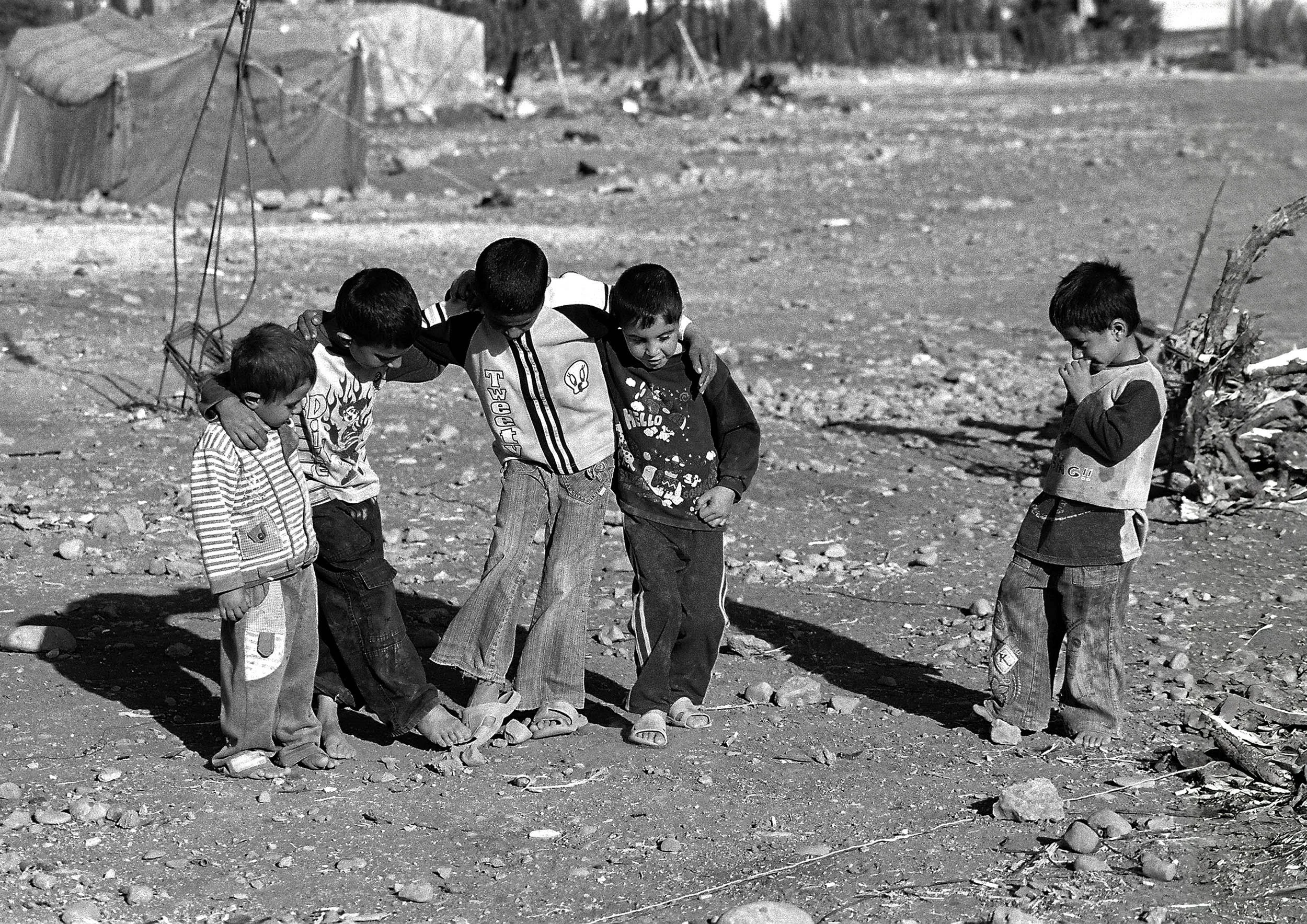
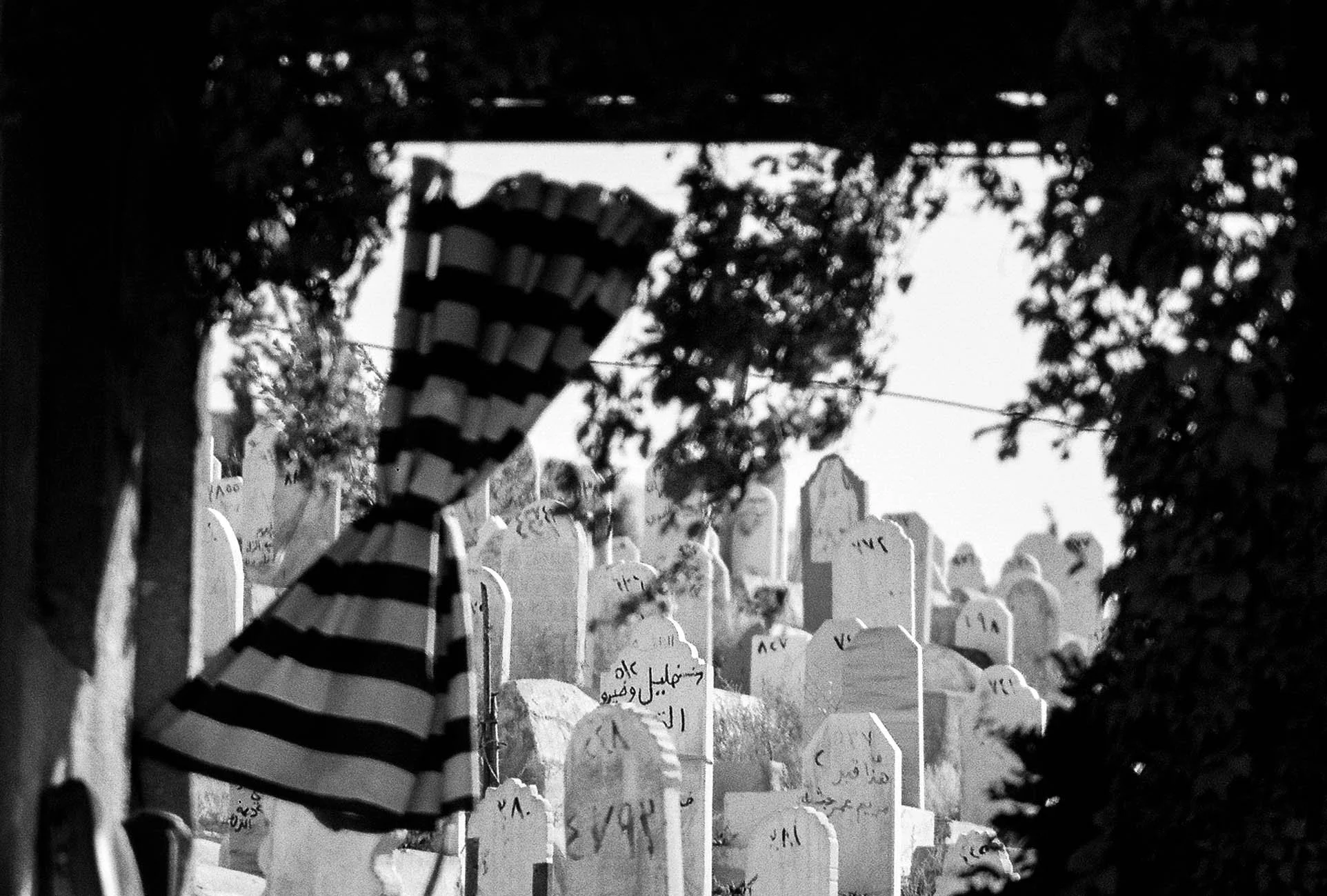
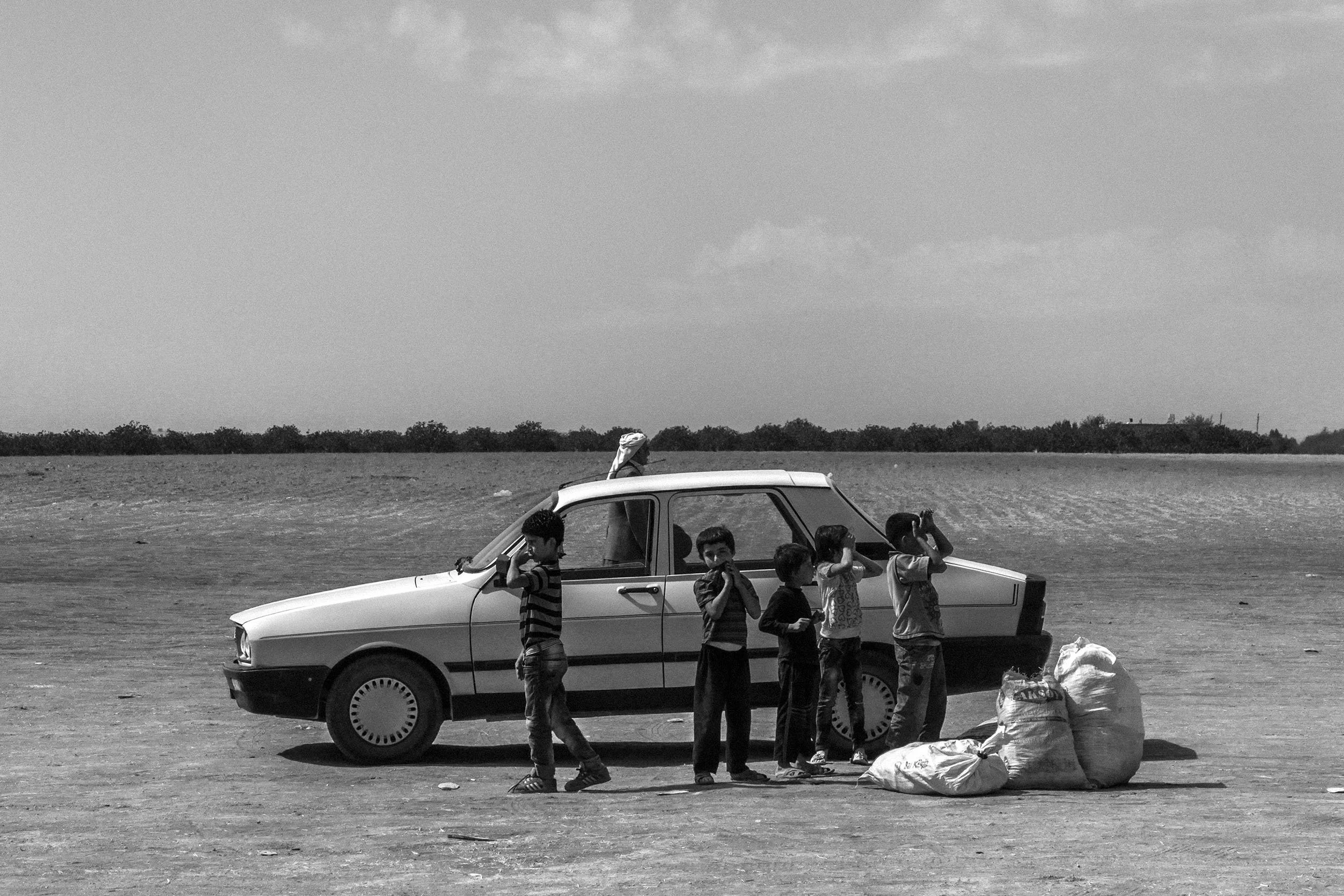
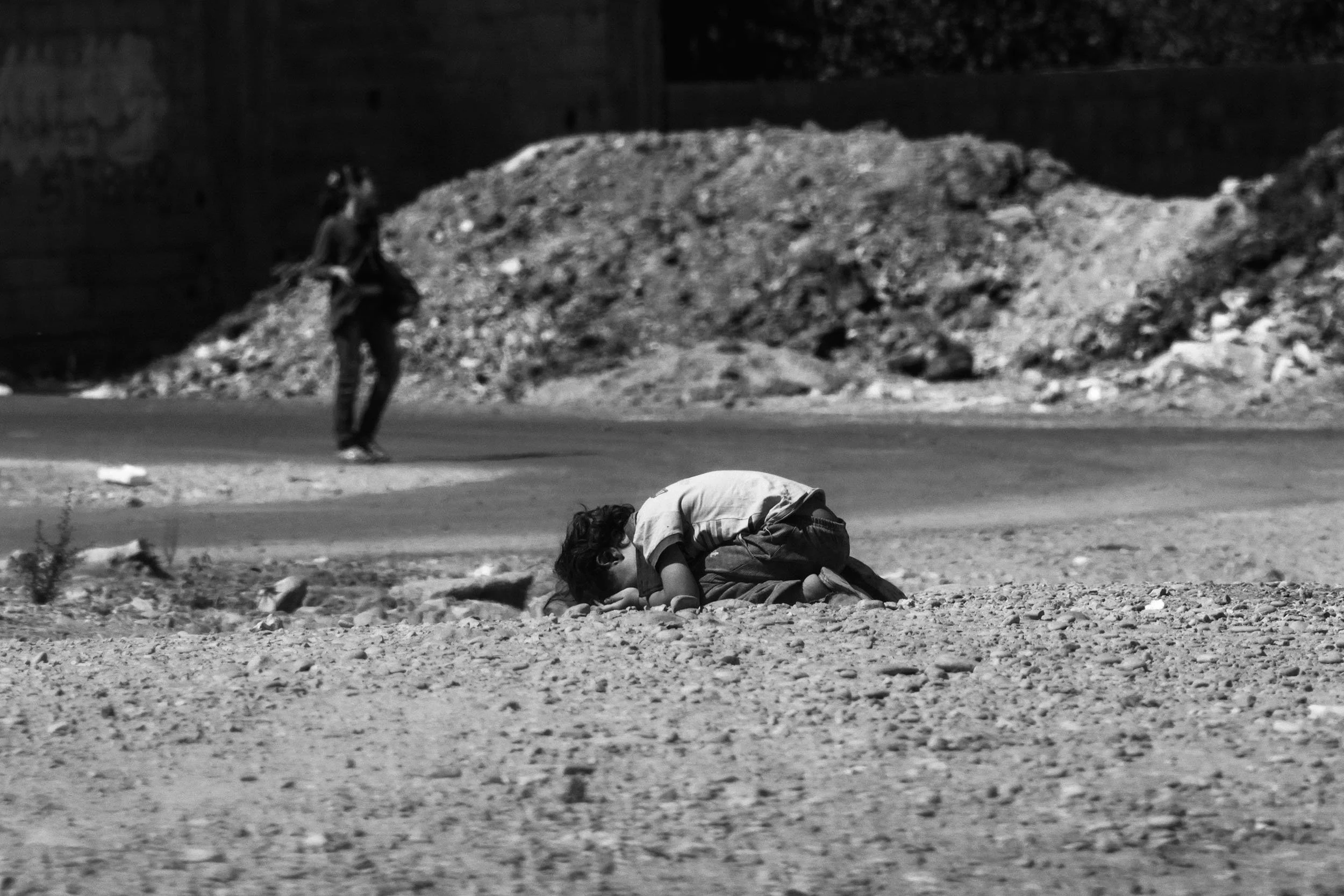
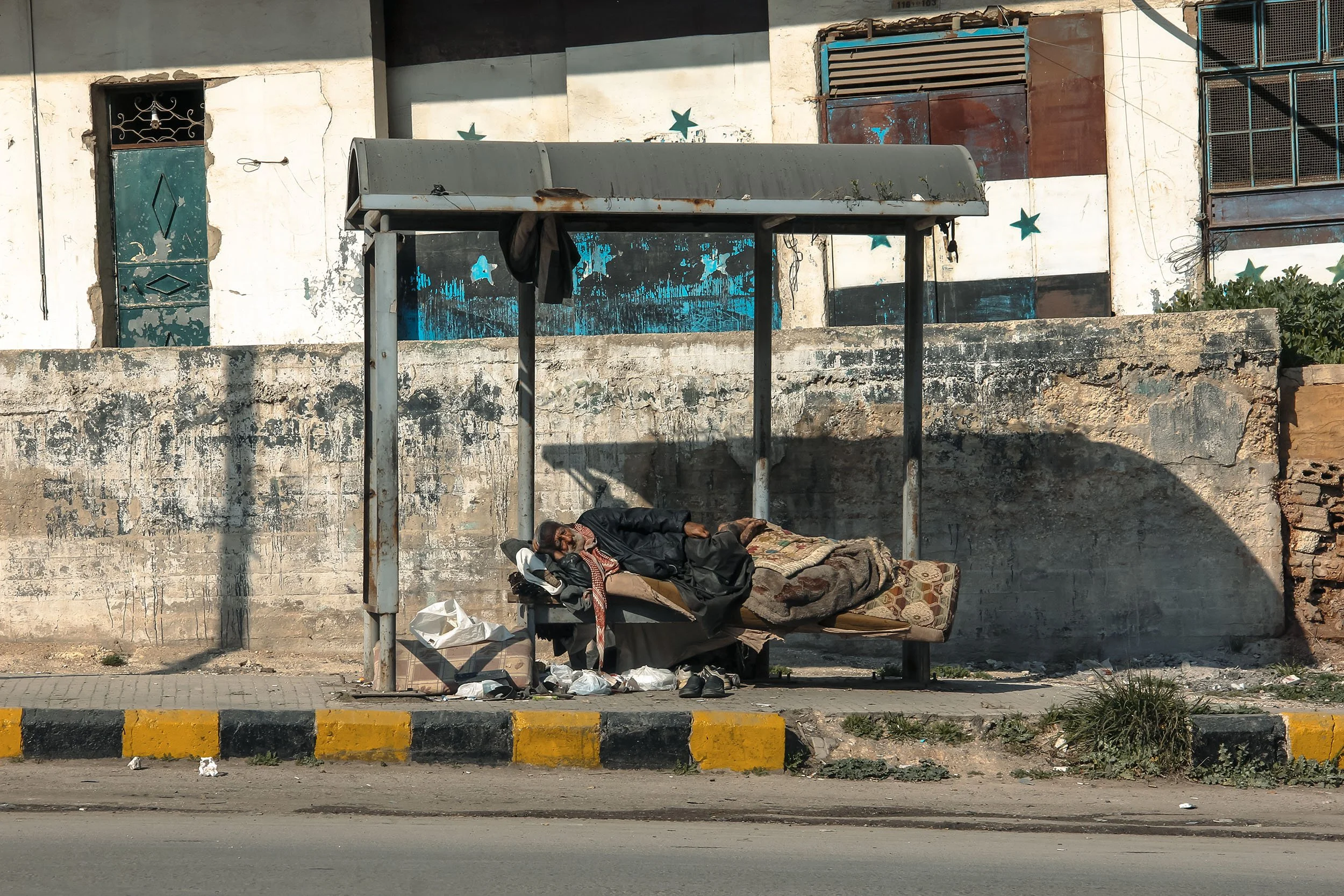
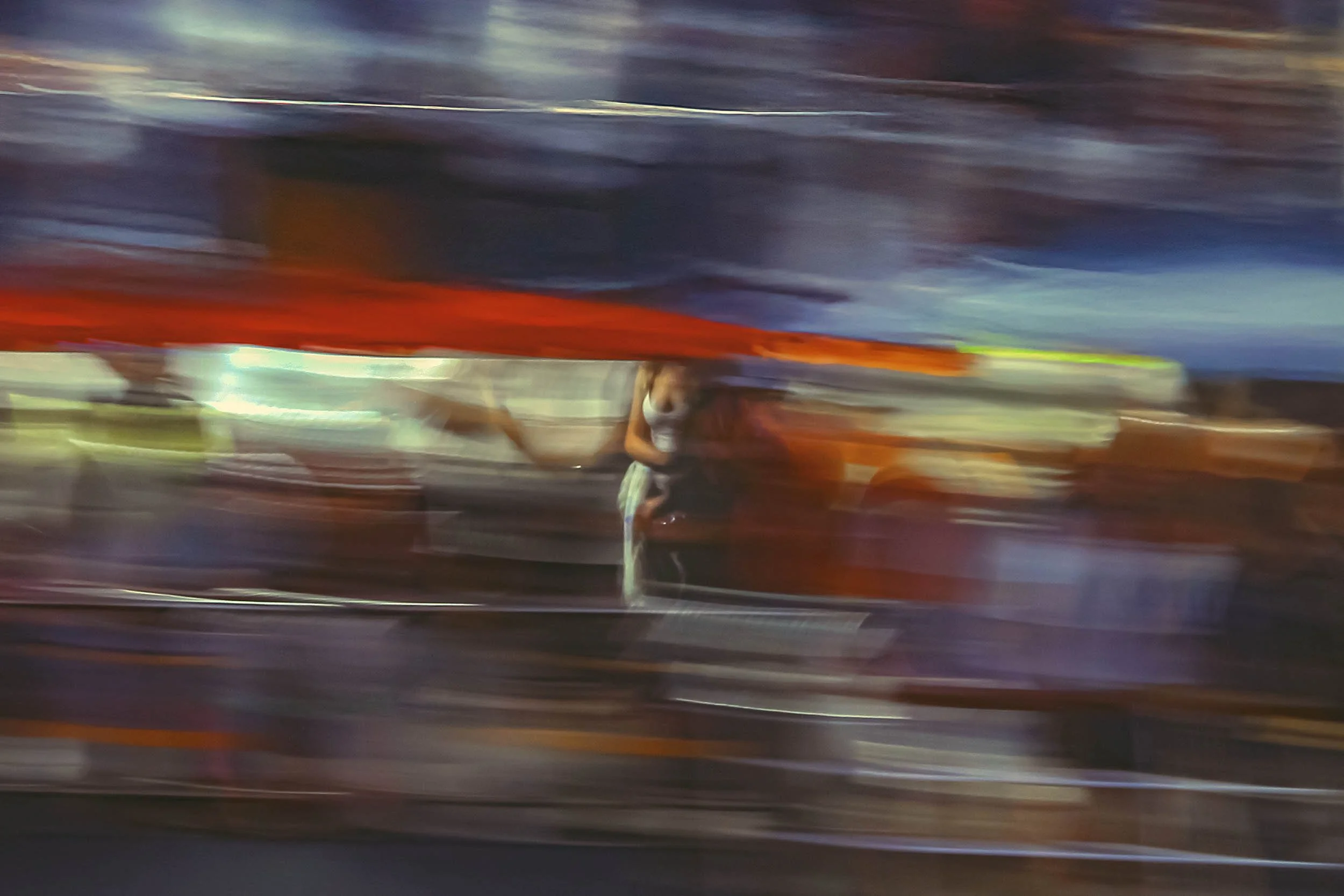
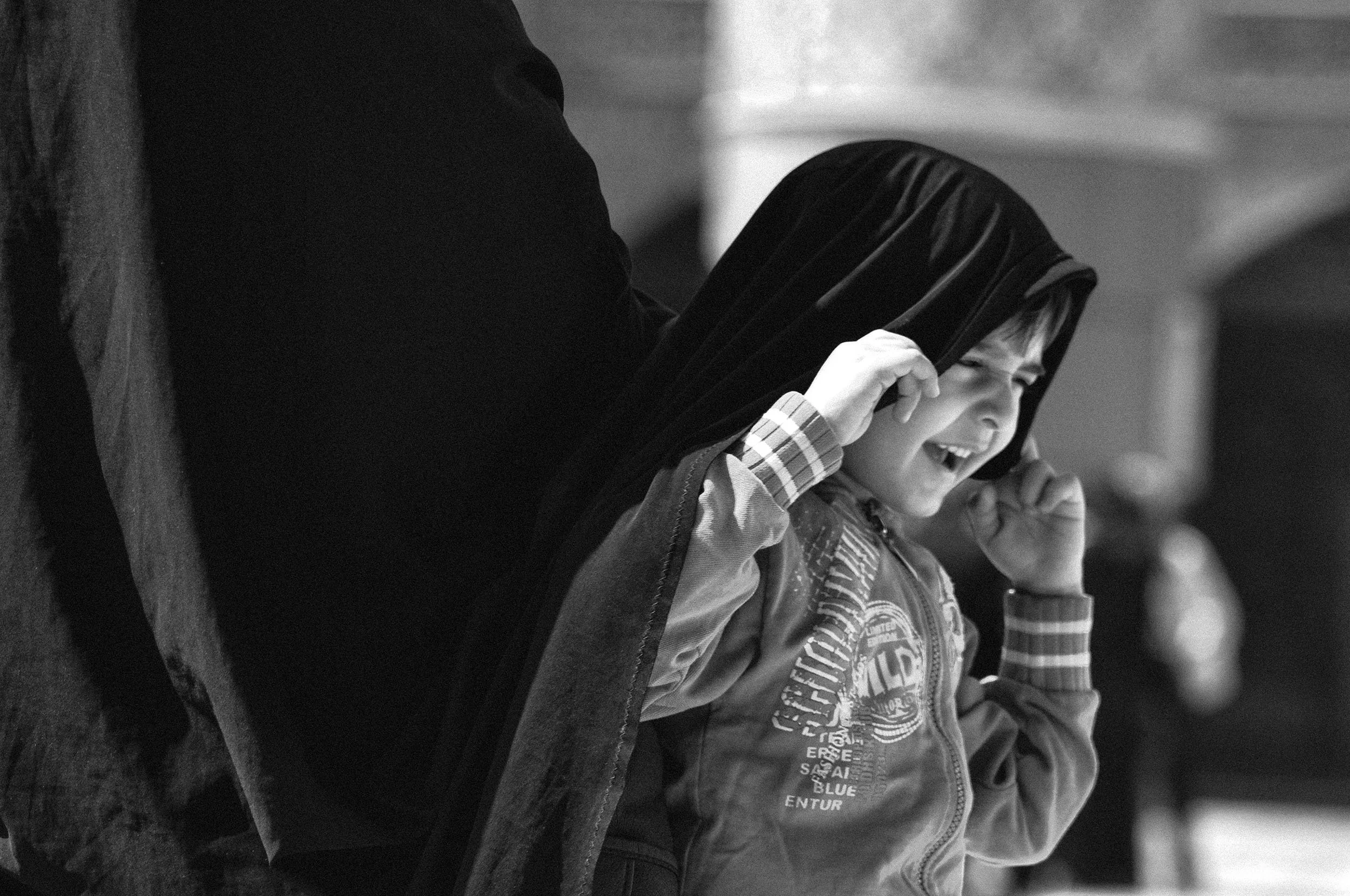
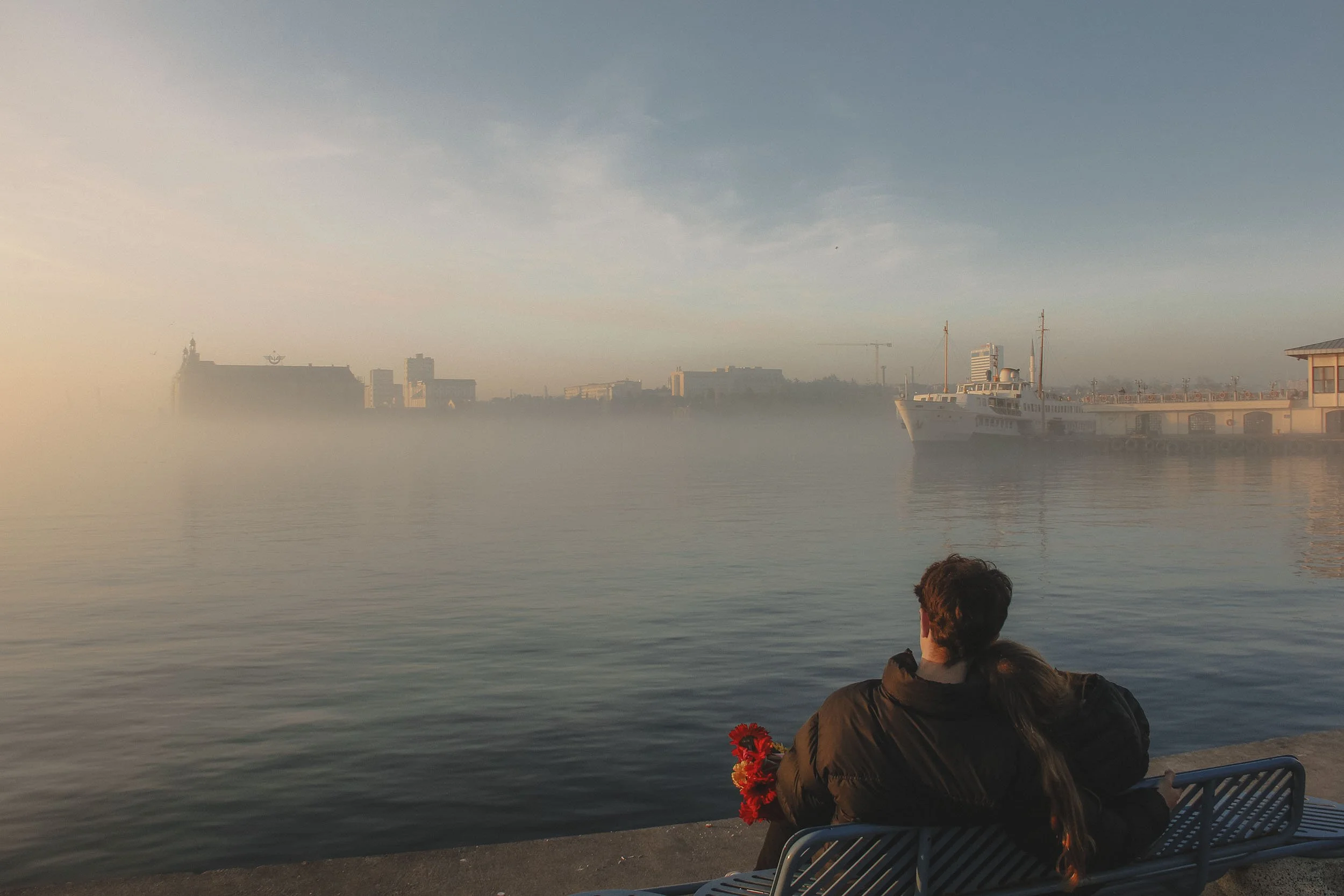
I capture daily life through photography, combining documentary shooting with artistic images and visual storytelling, for they are spaces of understanding, reflection, and construction of meaning.
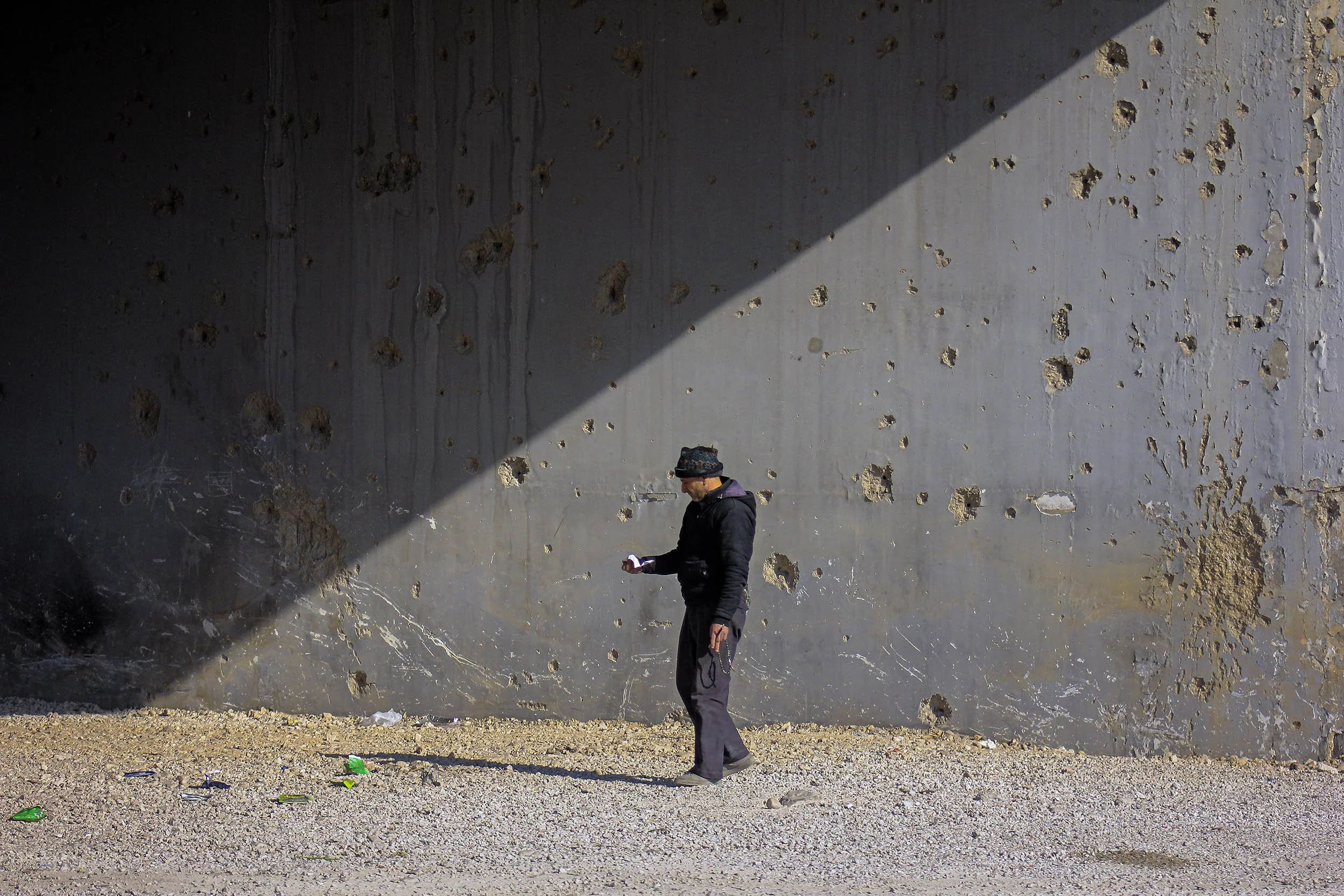
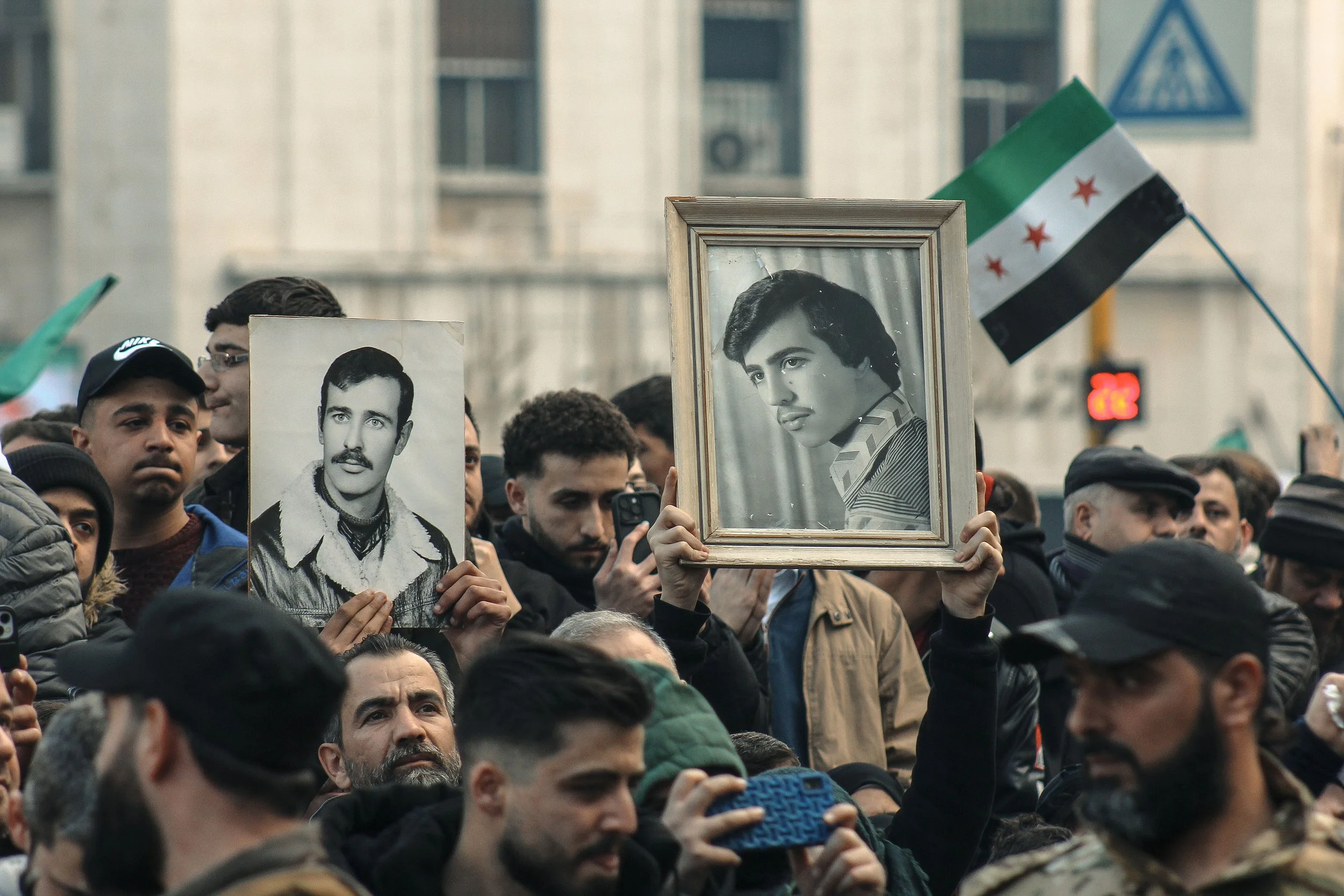
My attachment to photography began with a desire to understand, and with an early perception that what was presented to me as reality was nothing but a world dense with signs and enigmas. I grew up in a space of possibilities, aware that I was part of a larger event I was not allowed to perceive or approach. I am talking here about the Hama Massacre of February 1982, from which I survived, while I lost my family and the place itself.
This forced absence of knowledge did not pass as a mere memory, but rather settled inside me as an open question: How can reality be erased and re-presented in another language? From that moment, doubt became part of my relationship with the world, and I began to live within a constant distance between what is said and what is not seen, between the truth as an incident and the truth as allowed to be told.
What happened was painful, with a deep impact. Despite choosing to study economics in 2001, the urge to record persisted in my life. I visually documented everything I loved and everything I feared losing, as if trying to capture what slipped from memory before it was erased forever. From this need arose my first questions about the photo and its limitations, and about my role as an imaginer within a structure broader than the social imagination. I searched the relationship between what we see and what we imagine, between what we choose to keep and what we are forced to forget, in a society governed by mechanisms of fear and disappearance.
This path gradually led me to shift my focus towards learning photography and testing its expressive tools. In photography, I found a space to circumvent direct political discourse, and a quieter path for critical thinking. In a strict police state, photography became a means of understanding my surroundings, a less aggressive exercise of my right to question, and a way to construct knowledge stemming from the act of looking itself.
In 2010, I started a documentary project about Damascus, and that was my first direct confrontation with the city's authoritarian authorities. There, I witnessed the regime's desire to control the production and interpretation of images. At that moment, I discovered the other side of the power of image; it was no longer just a tool for research and understanding, but a way of life. Looking became an act of knowing, and photography became a fight for my right to see.
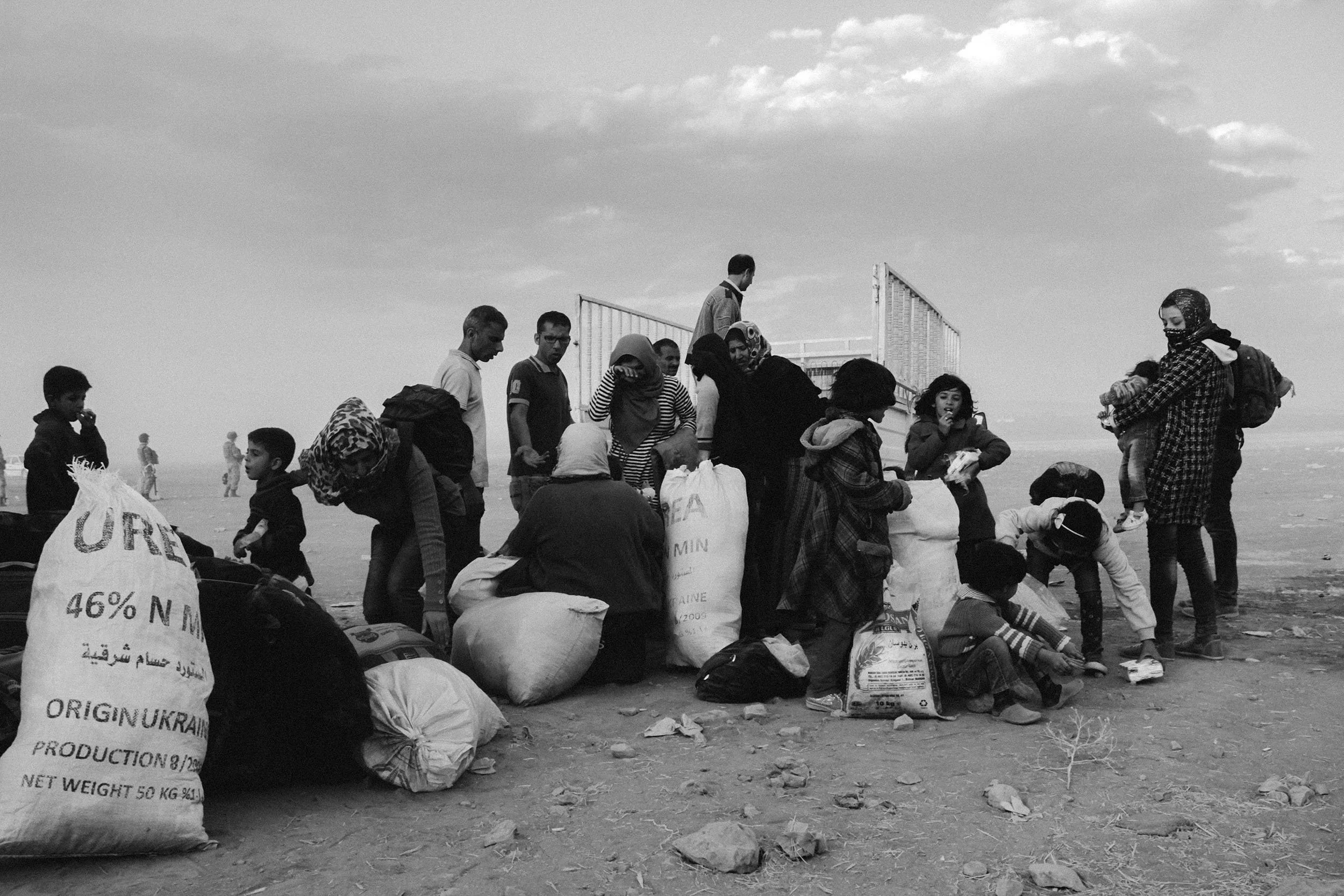
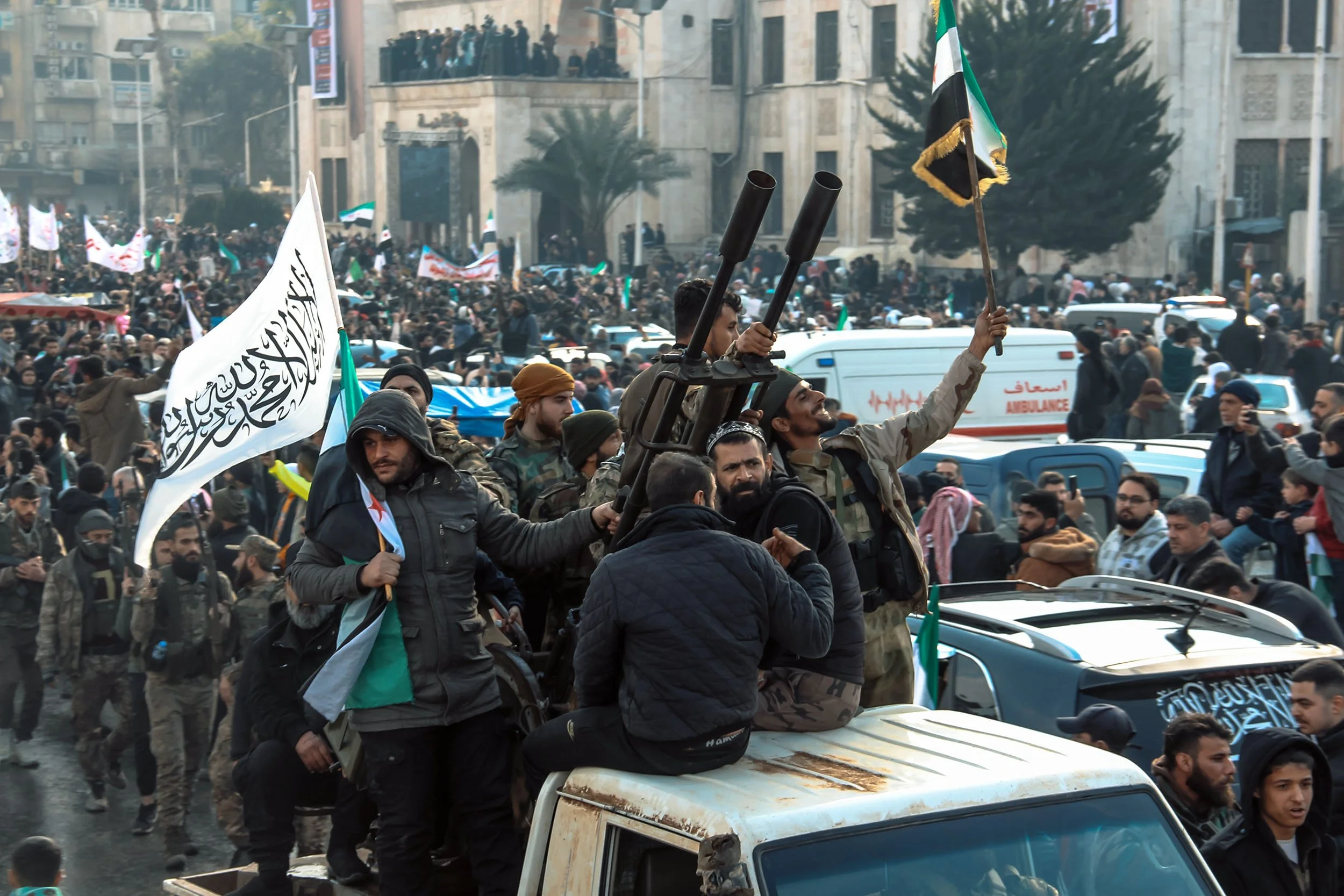
The following year, and with the outbreak of the Syrian revolution, everything changed. My camera became a weapon, and the image a battlefield for truth: Who owns it? Who narrates it? Here, I delved into an internal struggle with the camera itself; between using it as an instrument of witness and abandoning it, sometimes, in favor of truth itself. This tension continued to intersect with my relationship with artistic photography, with the question of its proximity to or distance from people, and with the constant division between the objective and the subjective.
This struggle made the concepts of truth and death equal in value and pushed me to escape this harsh equation to artistic photography. I no longer saw it as an absolute truth, but as a private moment from which I construct an image within a frame of my own. I started to engage with what I see within a formative system, seeking to deconstruct the traditional relationship with the viewer in favor of more abstract concepts. In this process, the notions of truth lost their meaning; if the image is mine, then it is my truth.
Thus, my relationship with the image evolved from my right to look at a matter of life and death. I adored photography because I was always part of a story that was not allowed to be told, and because the camera gave me the possibility of seeing it, of placing it before the world.
Before taking any picture, I ask myself: If the camera doesn’t exist, what would my mind choose to uphold? And how can the act of looking transform this choice into a story? From this point of awareness, I give my cameras names, simply to remind myself that they are listening.