Damascus the Body
City, Memory, Body
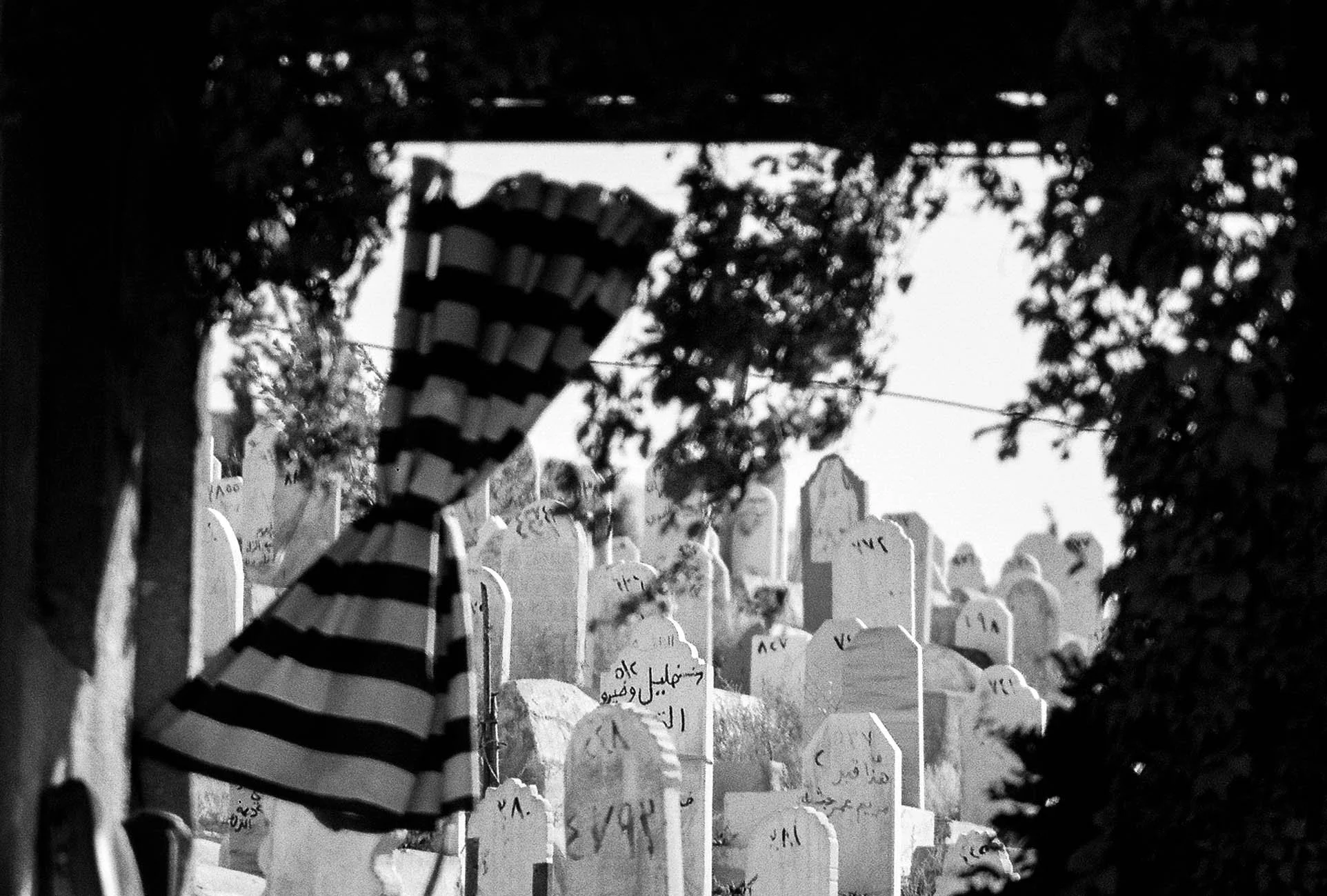
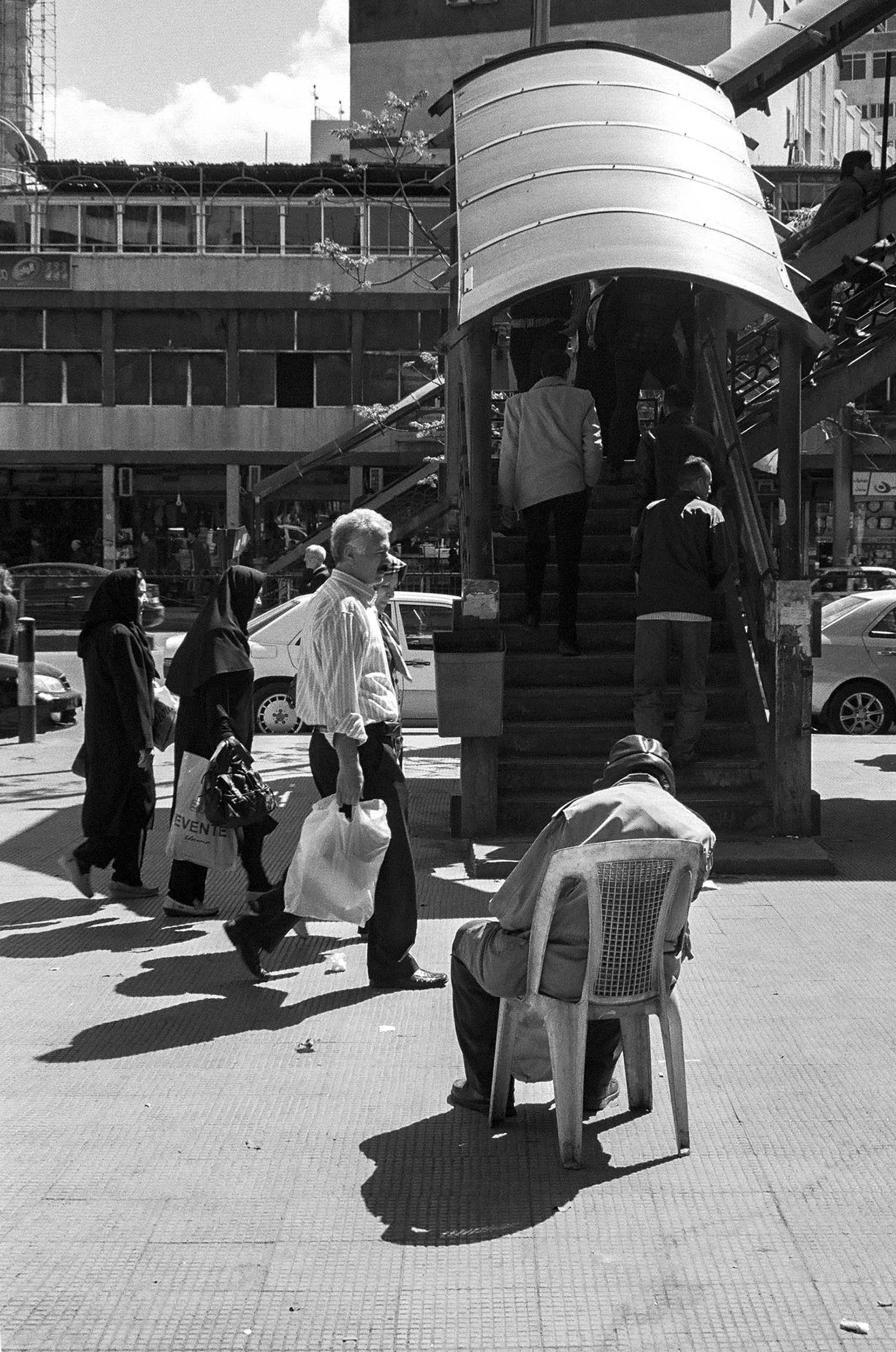
In 2010, I photographed Damascus every day for one year.
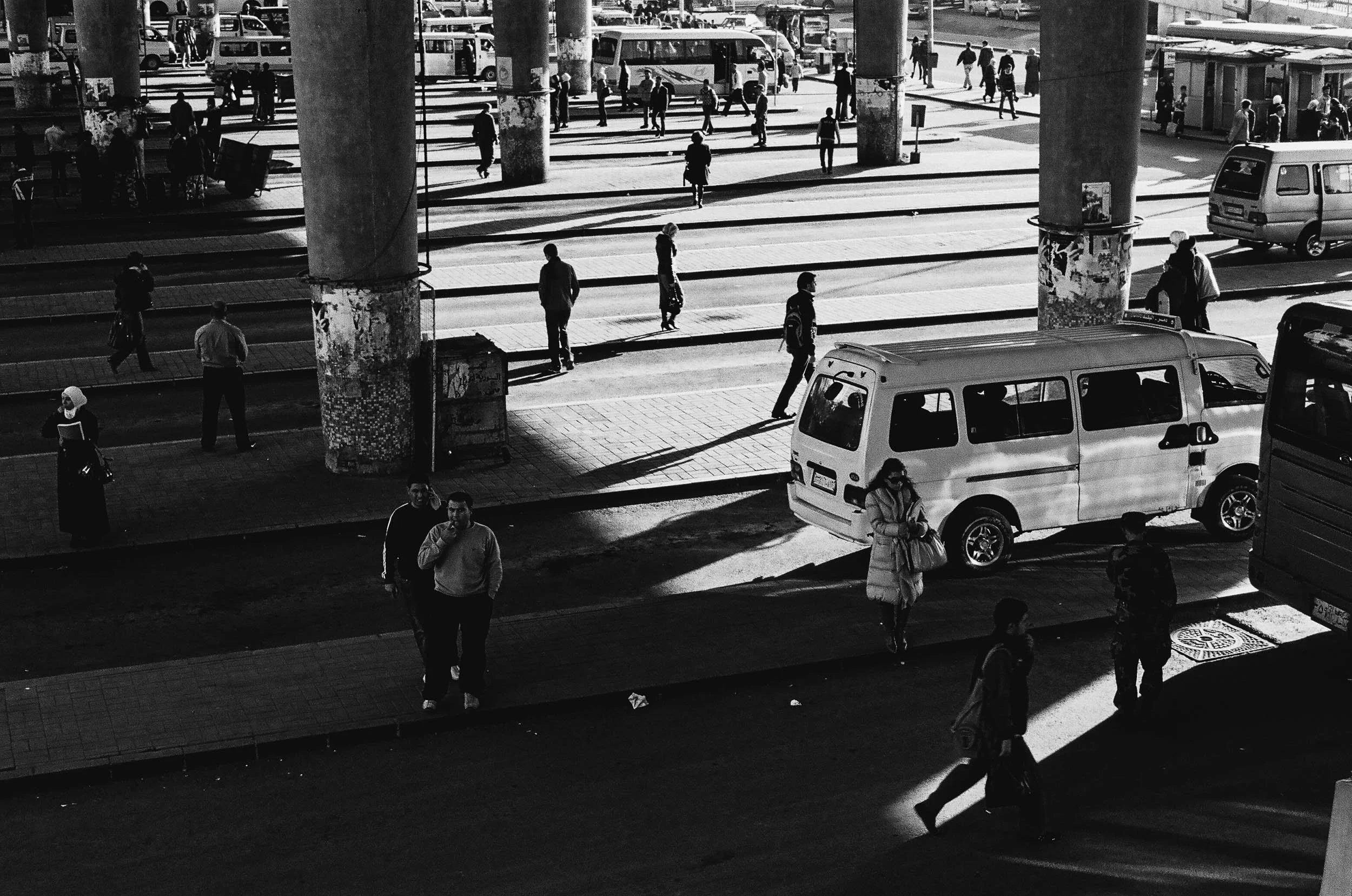
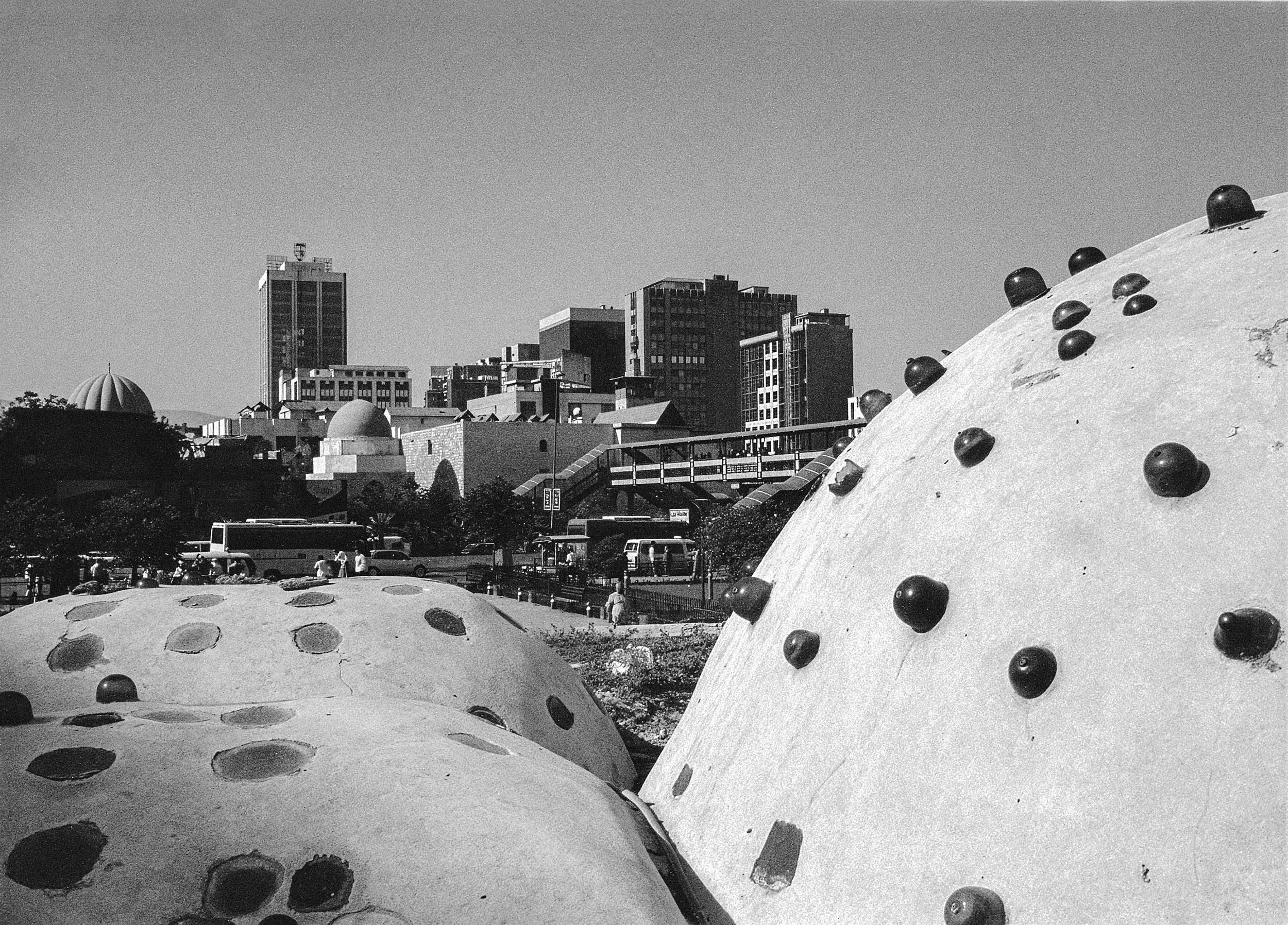
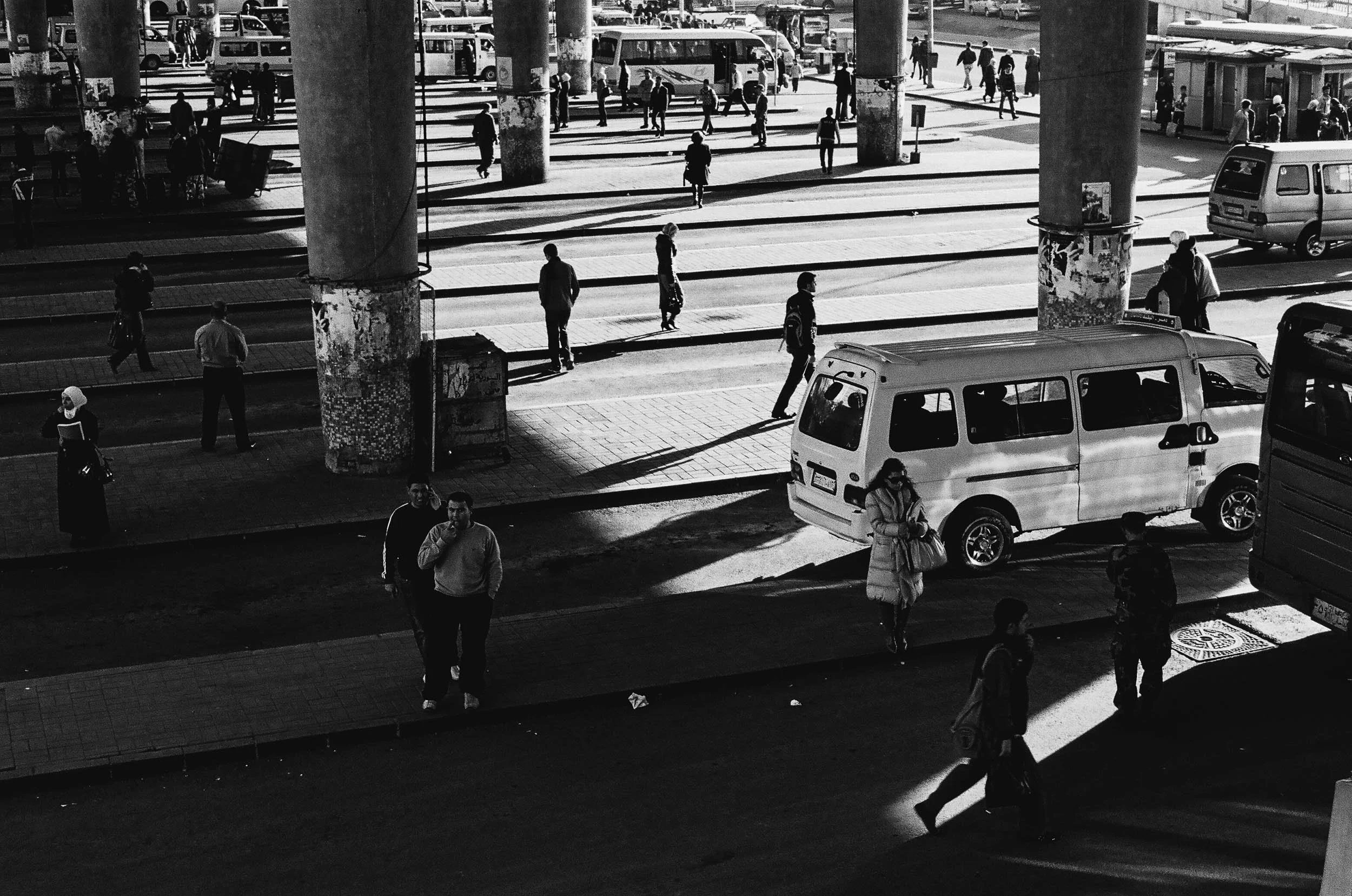
Three hundred and sixty-five images, made on countless rolls of film, produced while walking the city without assignment or protection. I moved attentively through its rhythms and gestures, always aware of invisible boundaries and unspoken rules that shaped what could and could not be seen.
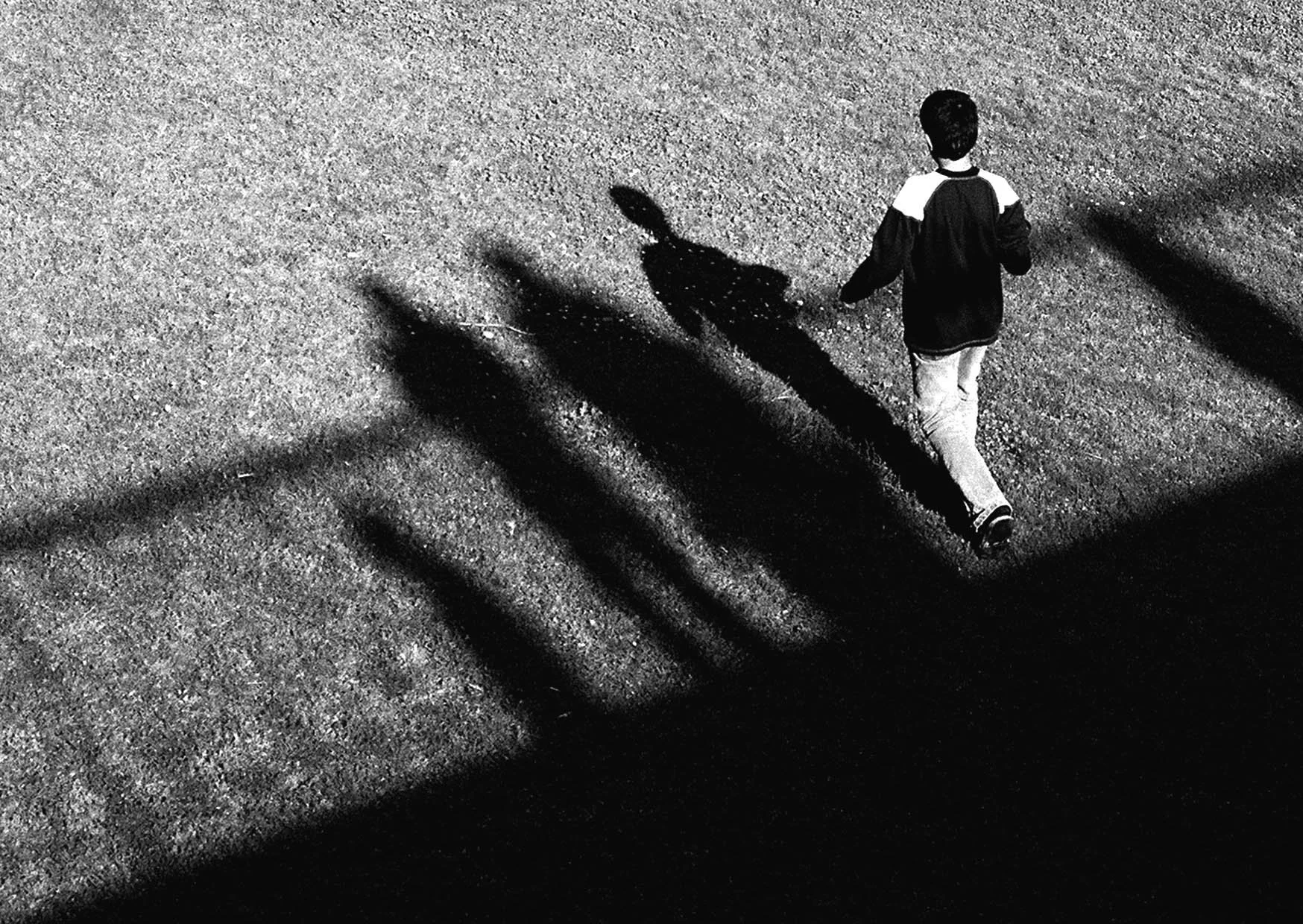
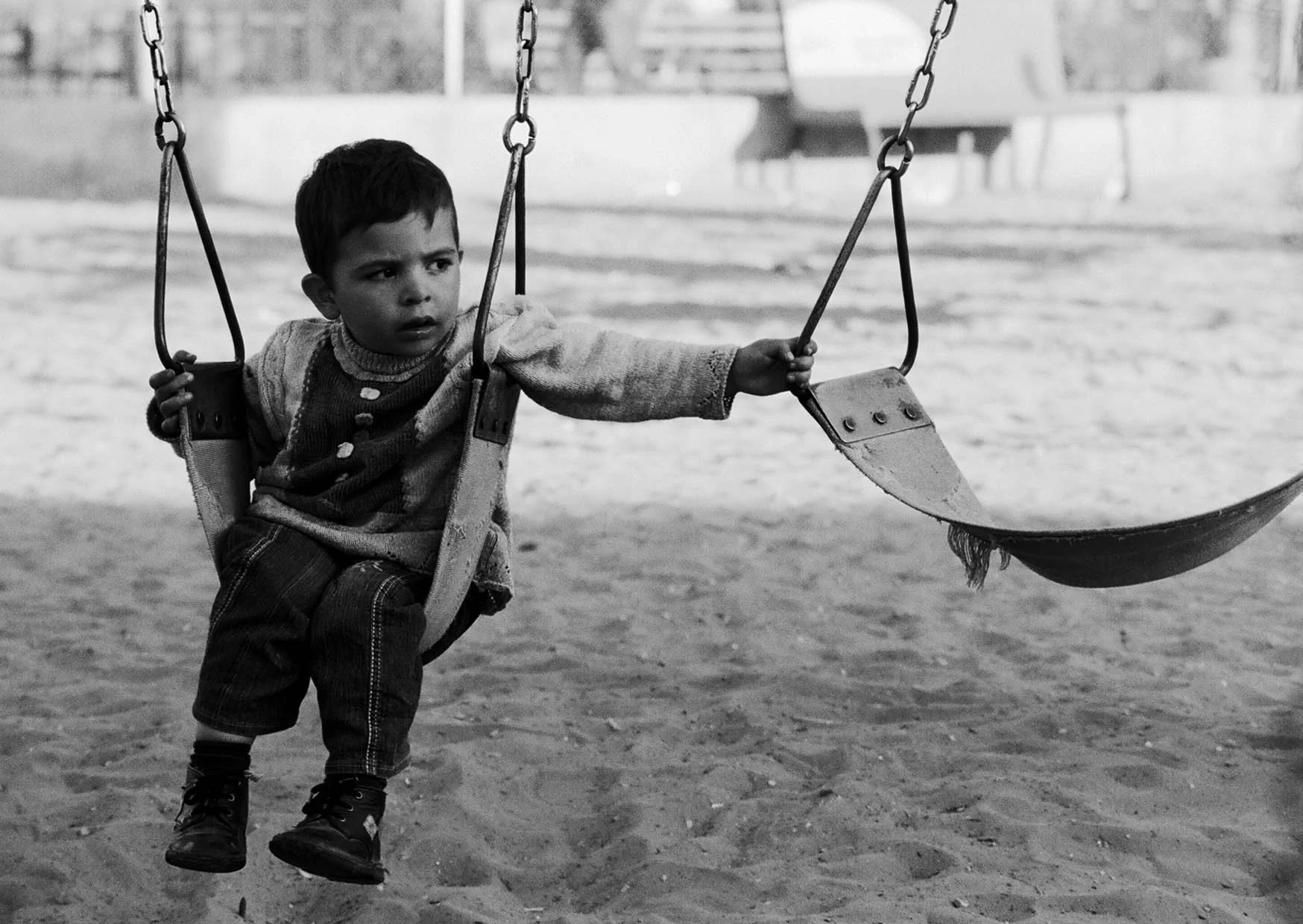
Damascus was a city governed by a security state. Freedom was restricted, speech carefully measured, and the act of carrying a camera itself was charged with risk. In this environment, the body became central, not as a posed subject, but as a presence without clear features. Bodies passing through streets, cafés, homes, and public spaces carried memory and tension. They revealed what could not be spoken aloud.
Damascus, the Body is not a record of events.. It is a record of presence. Each photograph holds the texture of a single day, where architecture, fleeting gestures, and human movement come together to form a shared emotional landscape. The work approaches the city from within, observing how life persists and adapts under pressure.
Over time, the project evolved into a visual dialogue rather than a closed narrative. The images became open spaces for reflection, writing, and interpretation, allowing photography to function as both testimony and collective memory. It was an attempt to resist isolation through sustained attention. In a confined place with a narrow horizon, the act of photographing became a way to open small apertures in the walls, to glimpse what was unfolding inside.
Often described as a form of sensory memory, this work is also an inquiry into perception and belonging. It asks how identity is shaped by place, how power imprints itself on everyday life, and how memory survives within the ordinary.
This is Damascus before rupture. 2010