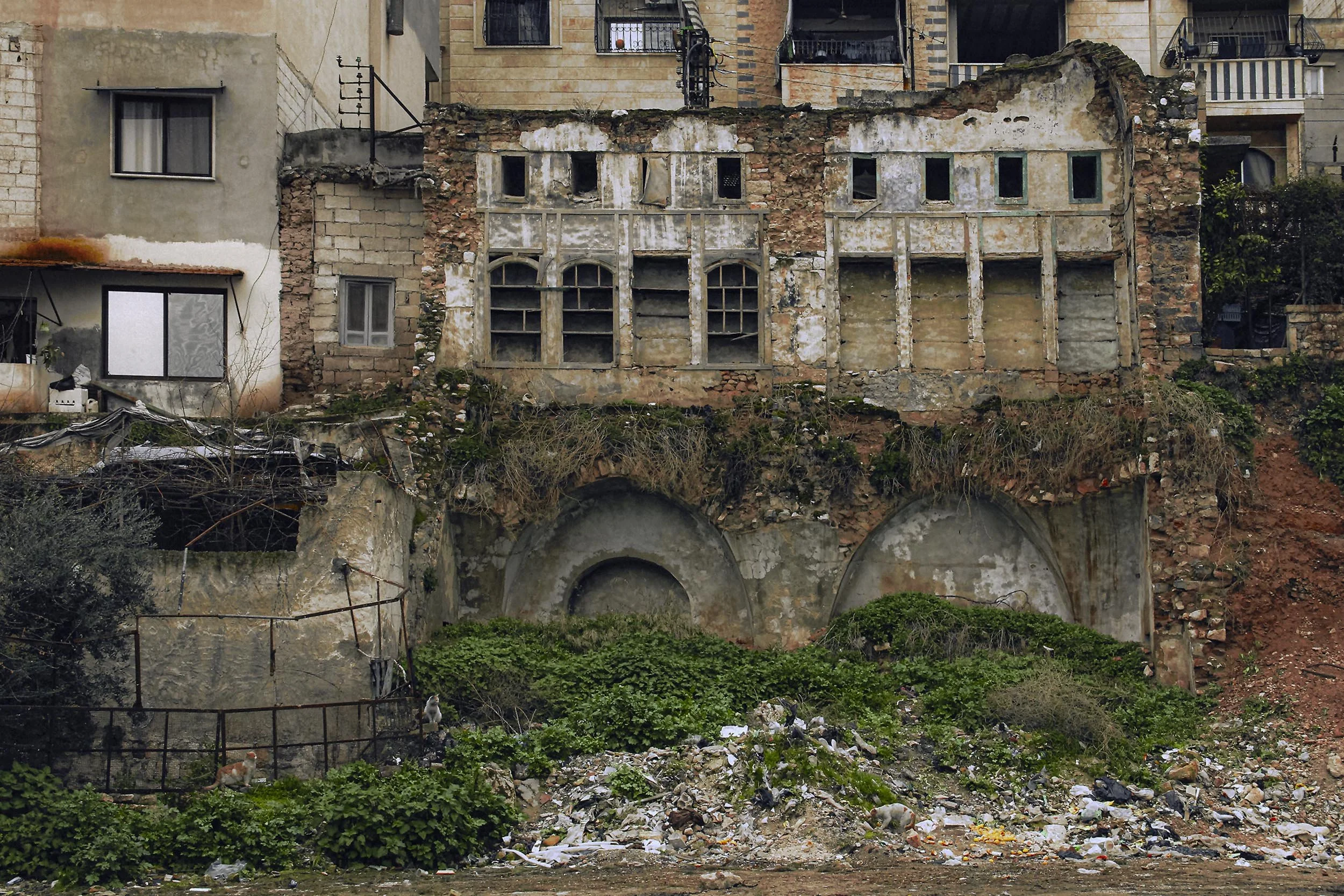
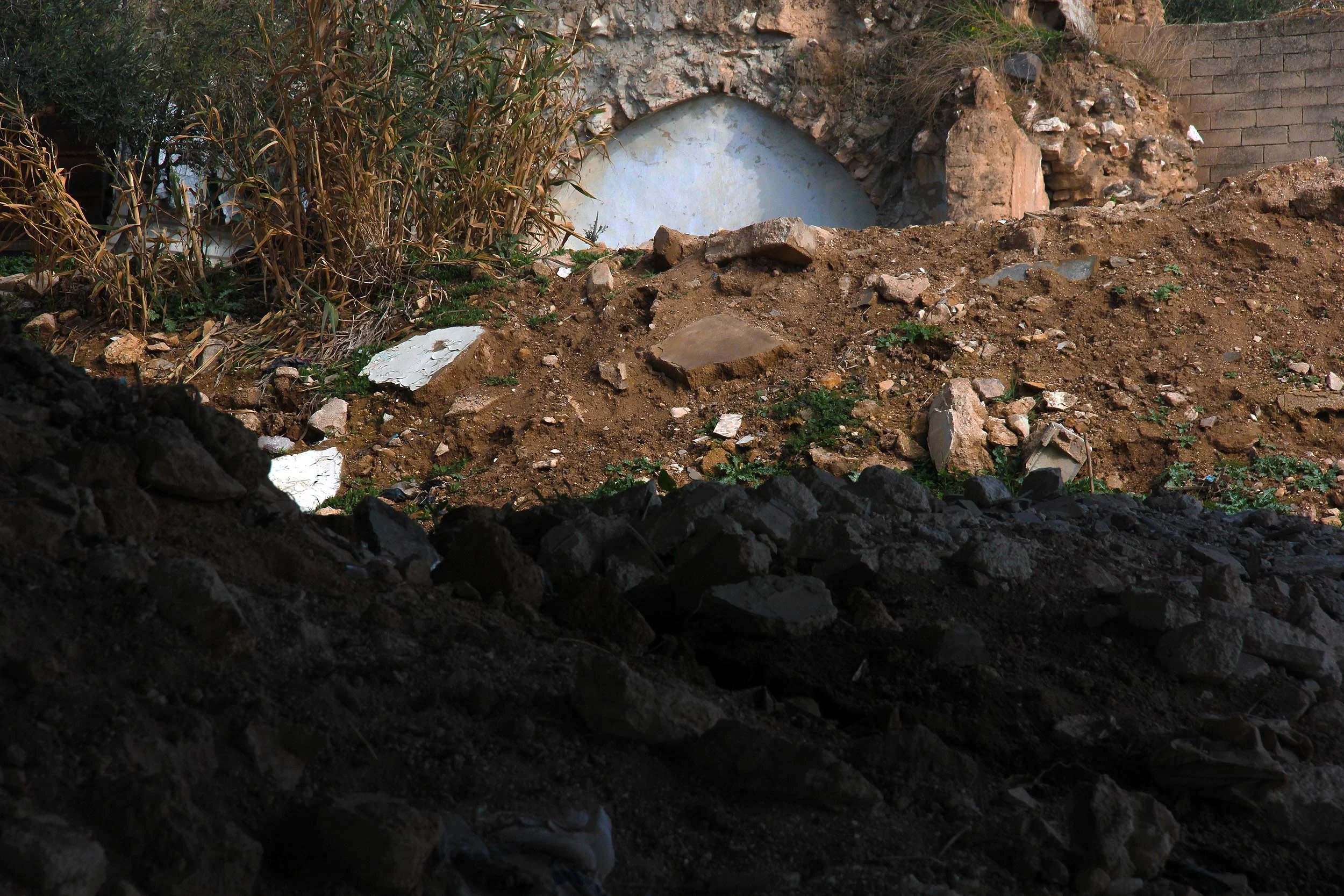
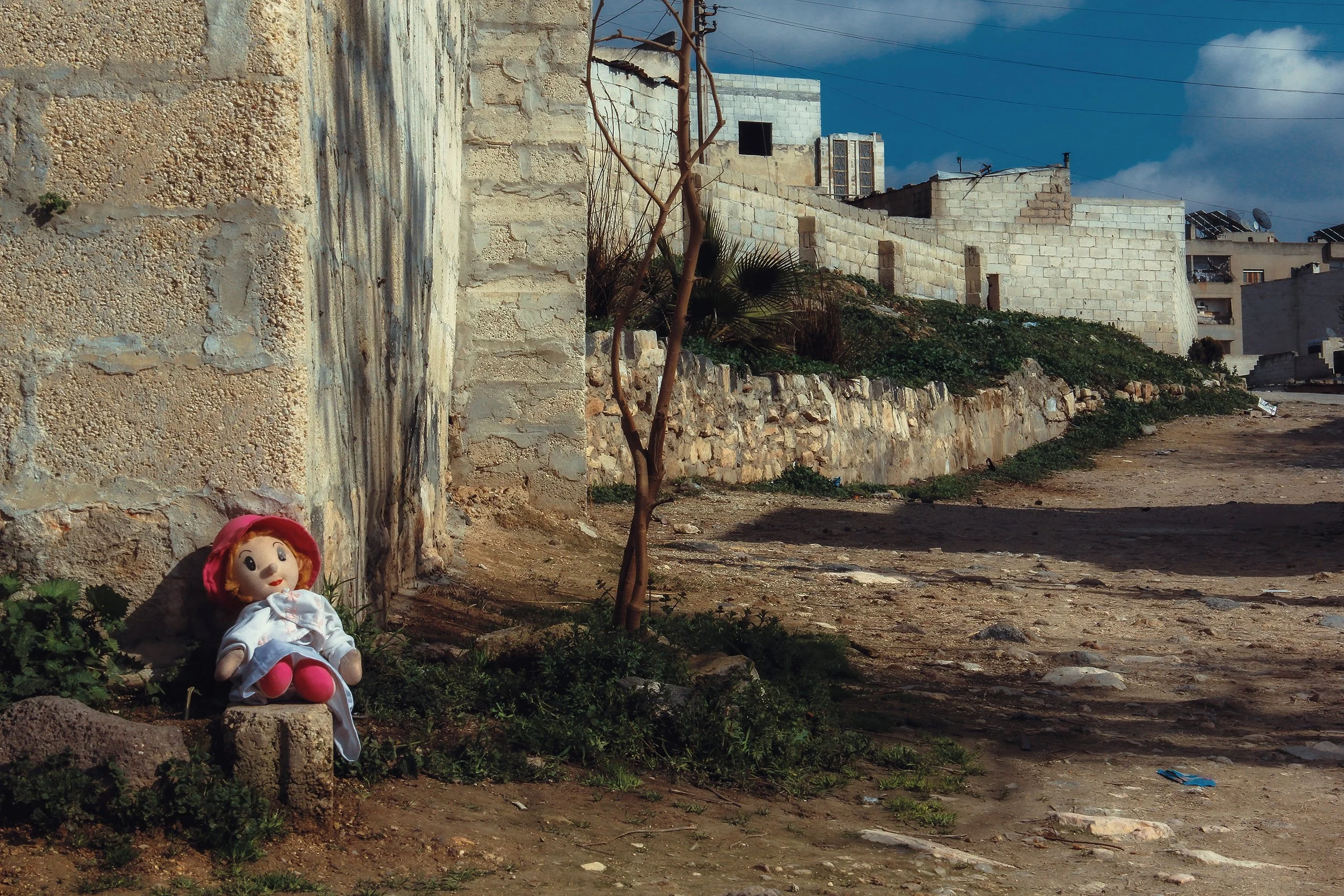
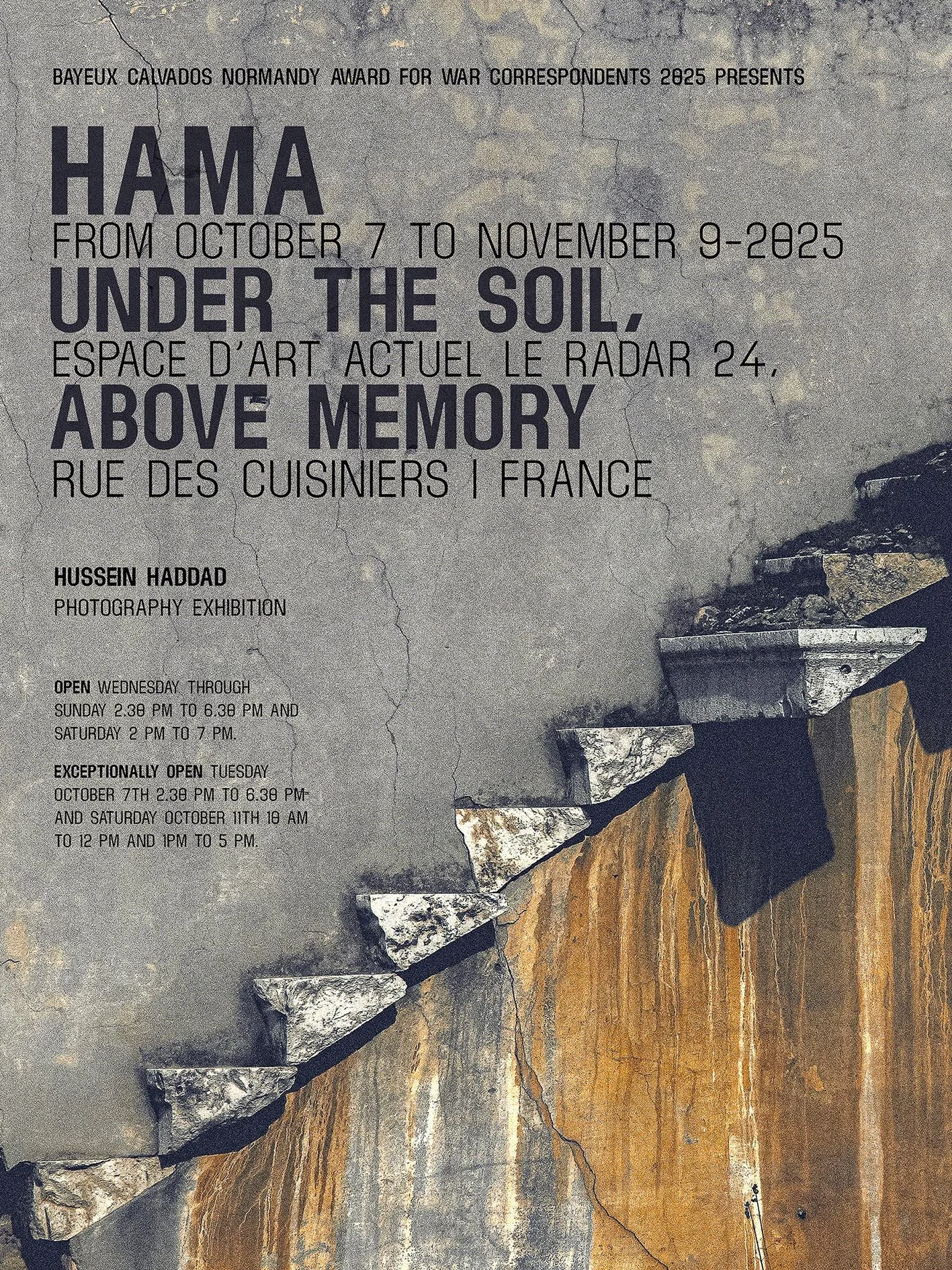
Hama | Under the soil,
above the memory.
I used to love every city, all except my own, Hama.
I remember it as a city where breath was always held, as if something hung in the air, awaiting explosion.
My grandmother once told me:
“This city sits on the horns of a bull.”
And I believed her, perhaps because I was always thinking of escape.
We had to live above the bones without pointing to them,
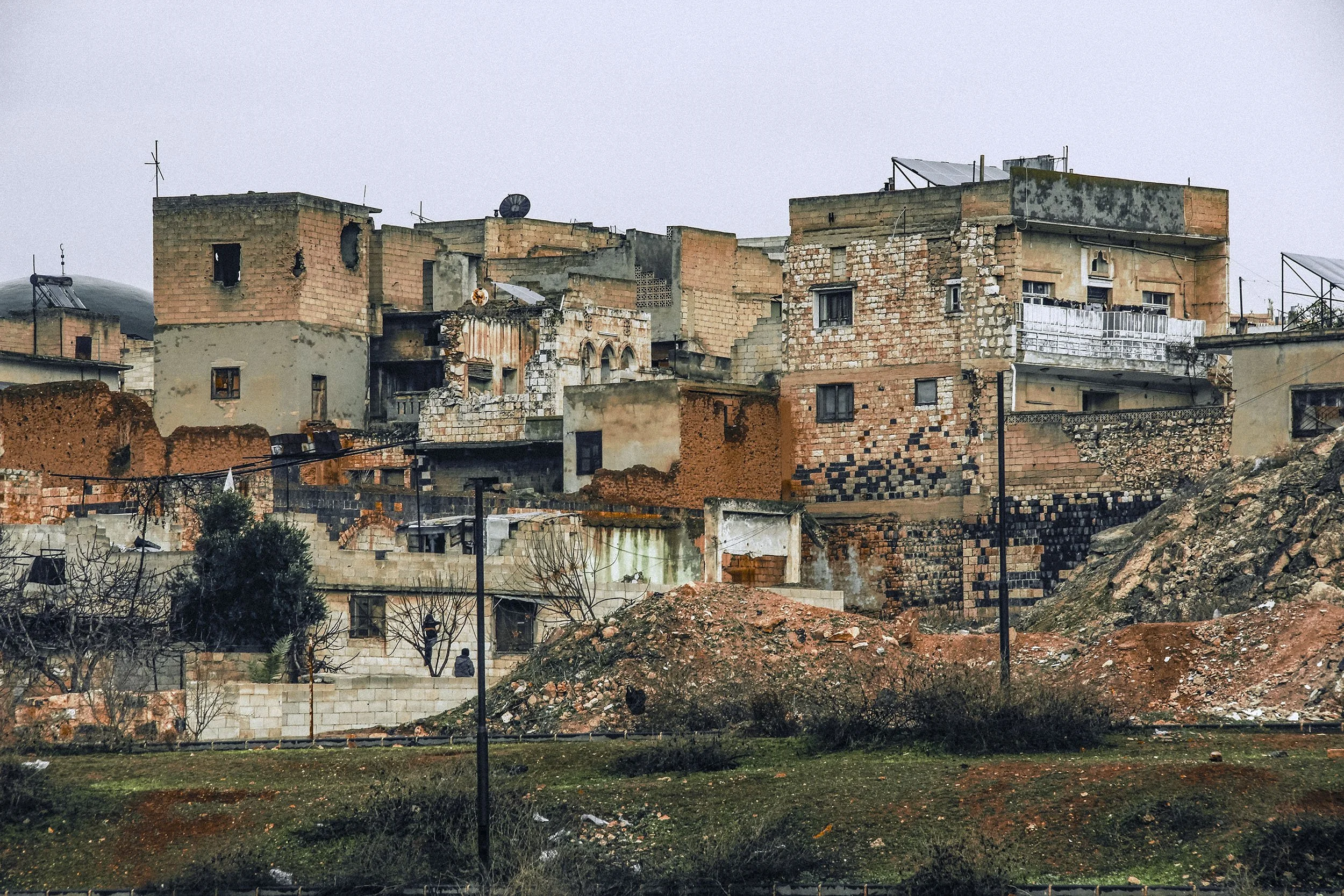
to pass by the ruined houses as if they never existed,
to shut the windows on forbidden stories,
and to swallow fear like we swallow air.
I was a child when I was buried alive under the rubble.
I survived, yes, but I was not allowed to remember.
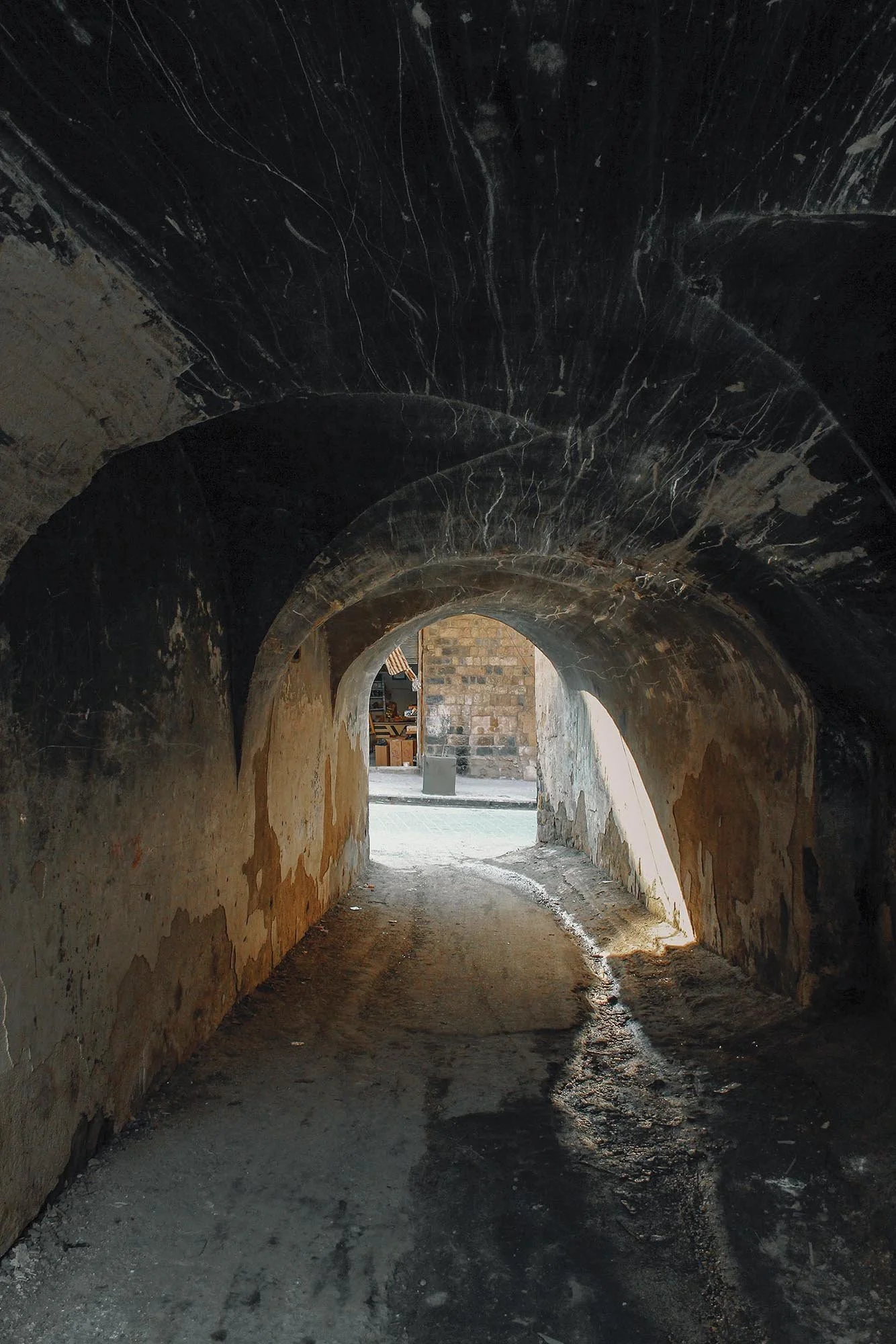
The massacre was meant to be forgotten,
the city erased from memory, deliberately neglected,
so its history could be redrawn in the voice of the victor alone.
But some cities cannot be erased,
and some pains remain deep,
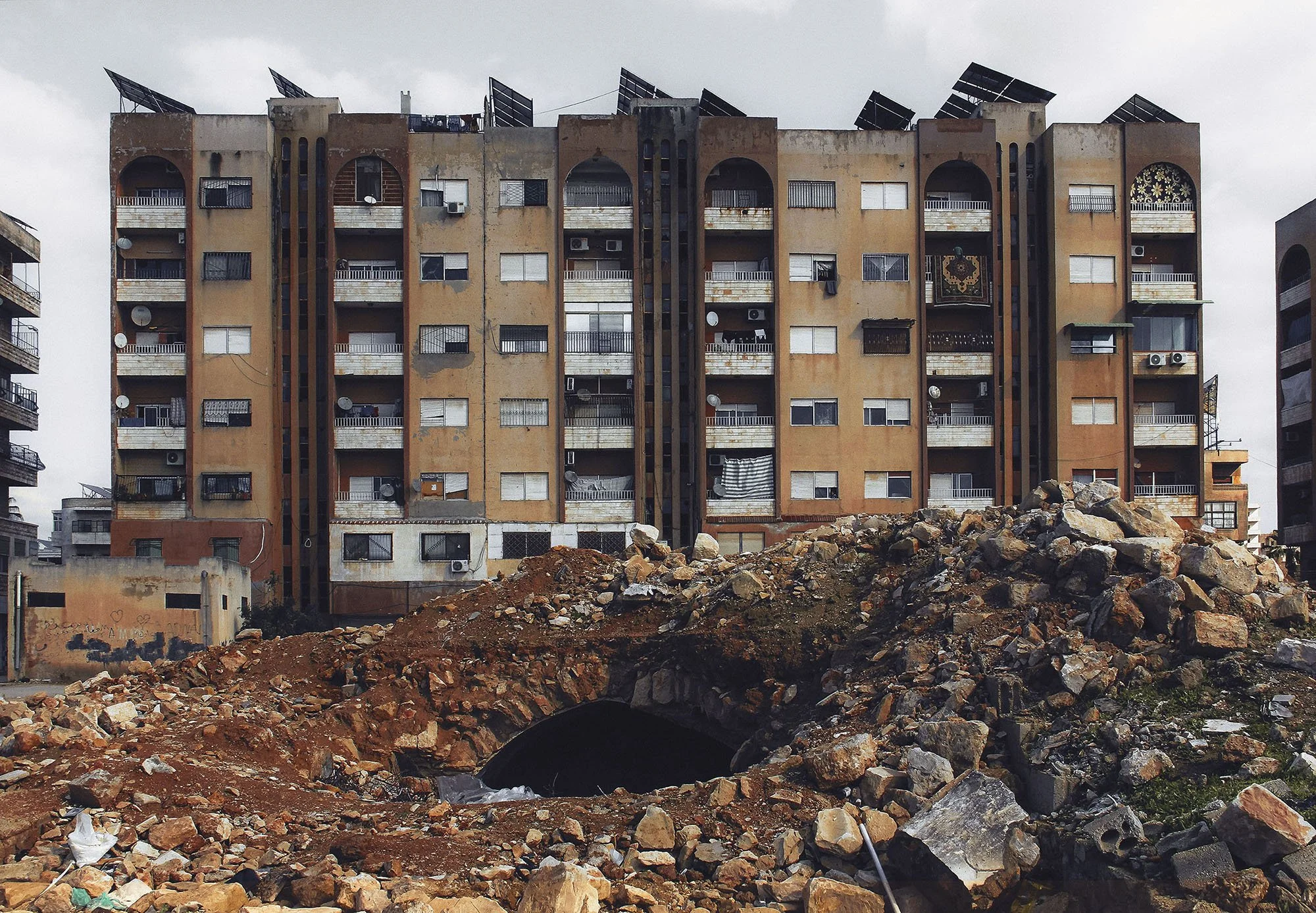
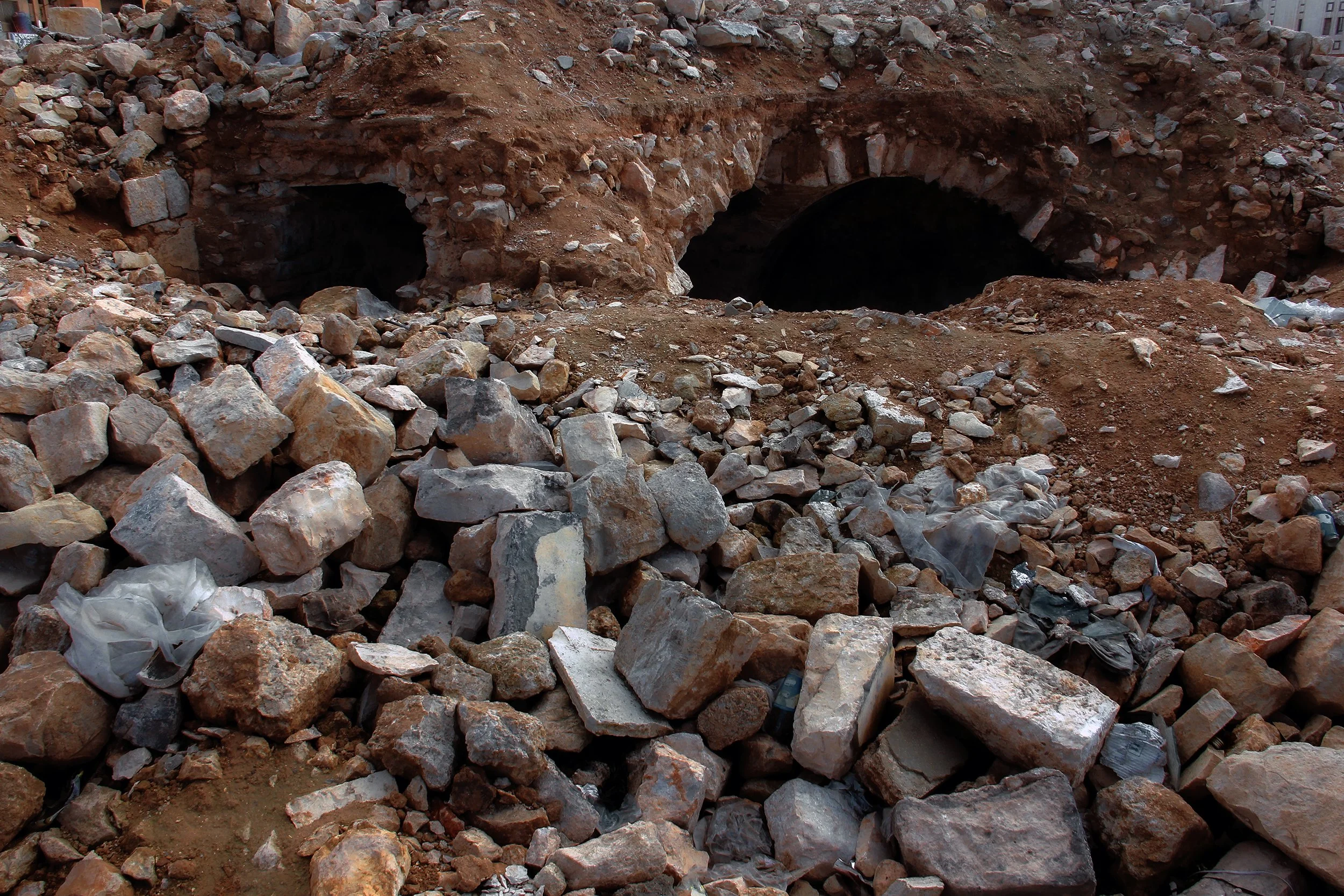
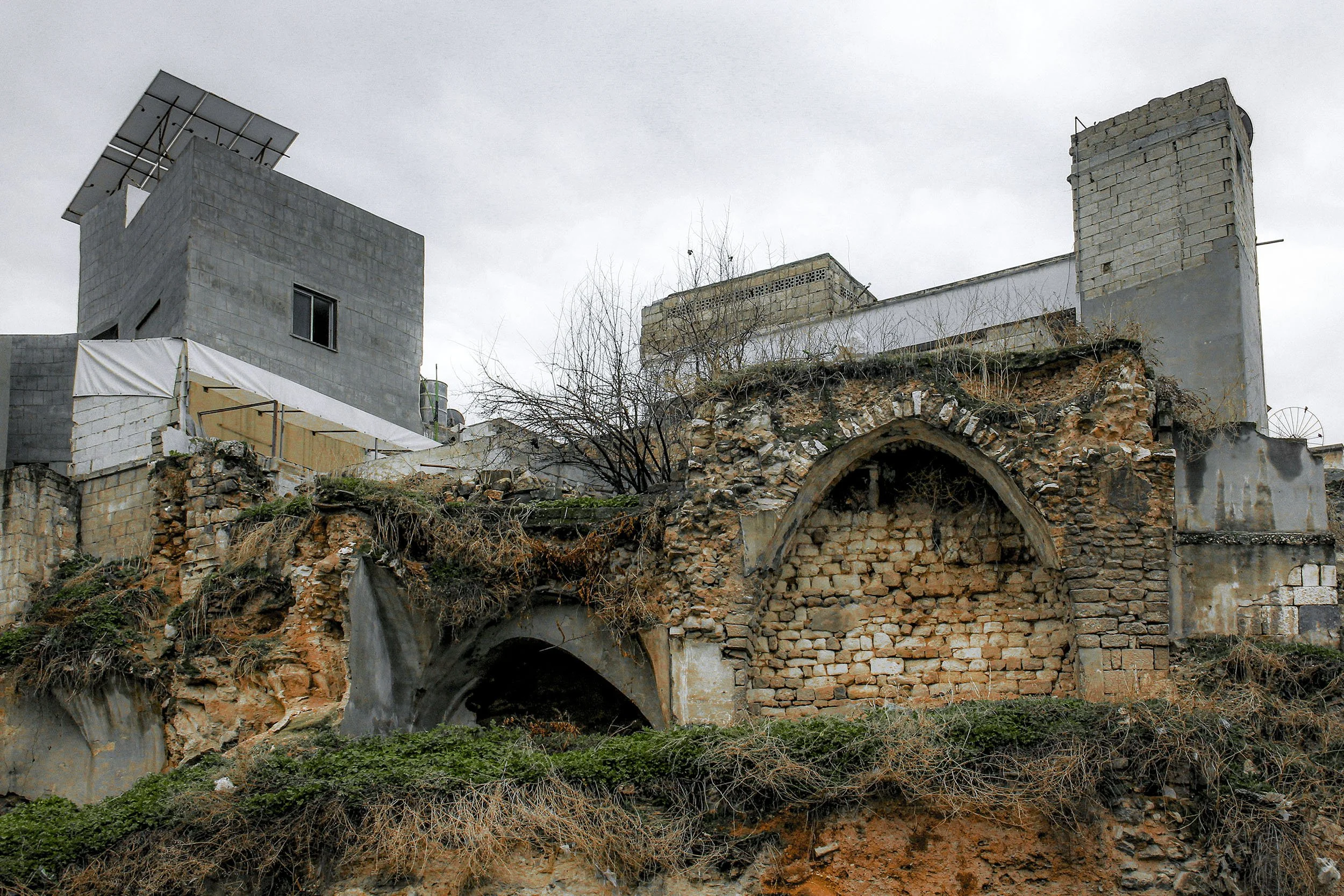
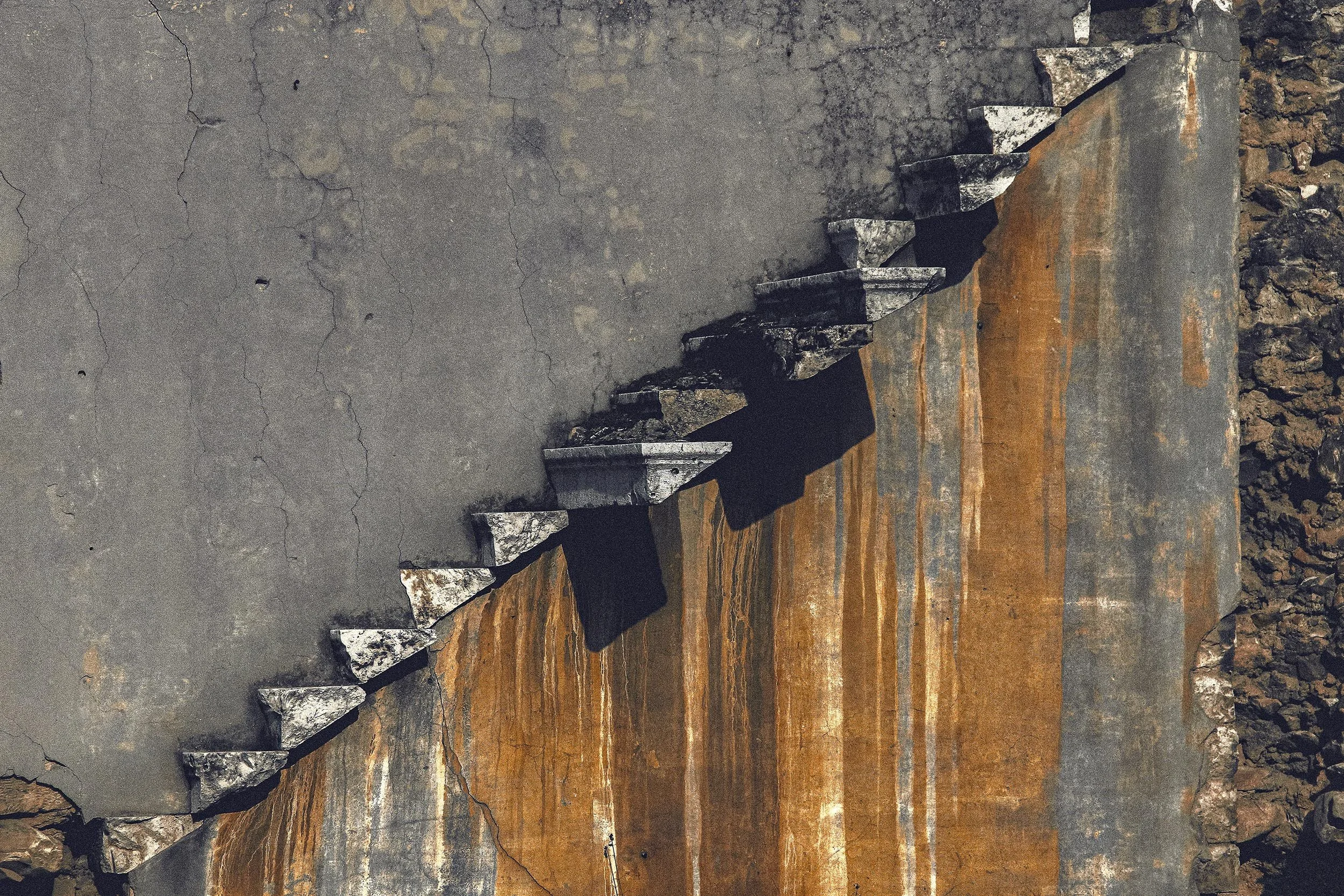
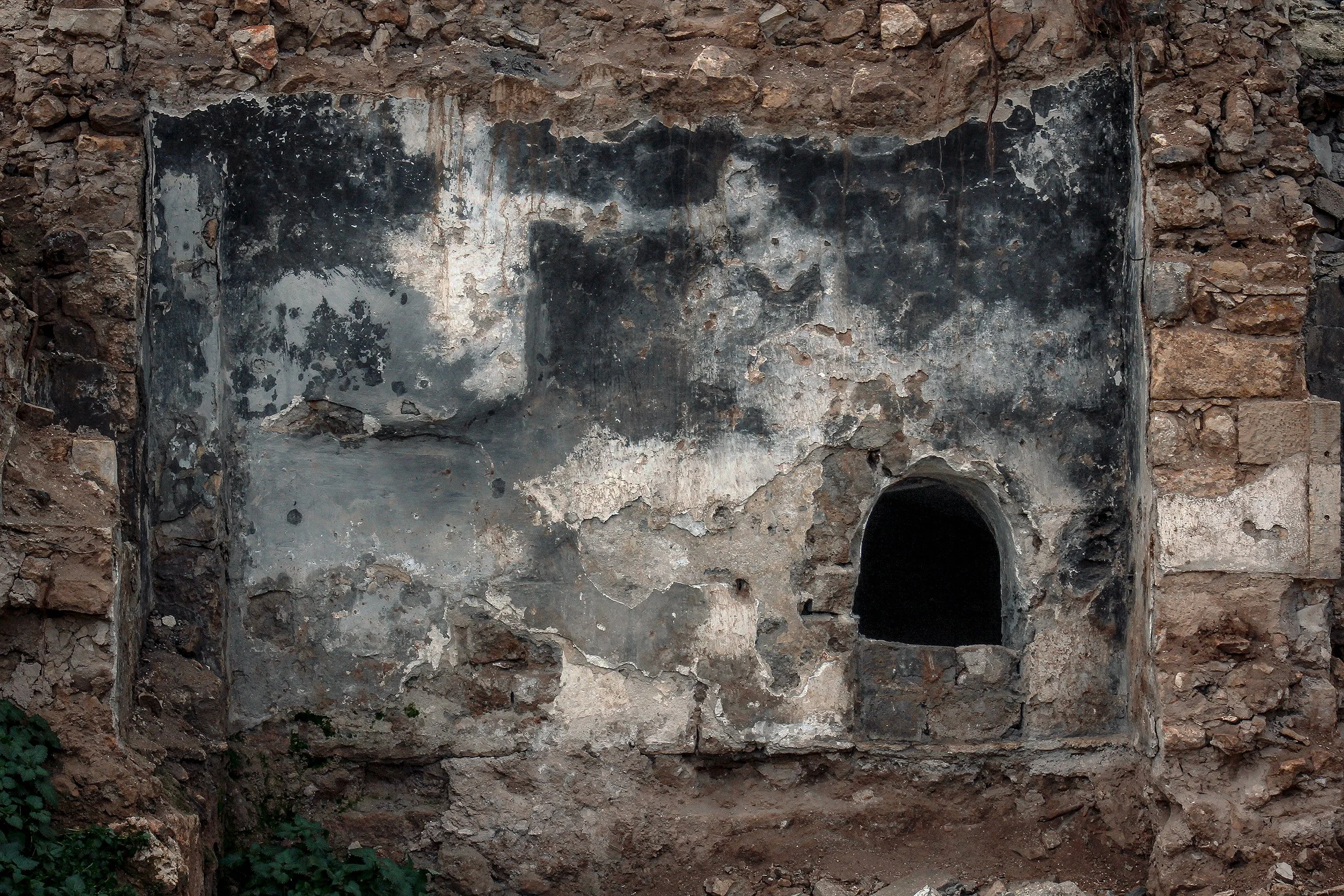
rooted beneath the ground, in the scorched bricks,
in the collapsed arches,
in the corners where silence dwells,
and in memories that only the survivors believe.
In Hama, every corner is a witness,
and every shadow could be an unmarked grave.
Today, on the 29th of January, 2025, after the fall of the Assad family’s rule, I have returned. I finally stood face to face with the city. My return was not a visit; it was a reckoning. I was trying to give memory a body through what remains of our neighborhood, a neighborhood that no longer exists.
I did not take a photo right away. I waited.
I walked for a long time, as if giving myself a moment before all the stories we lived in silence erupted at once. I wandered through the city like someone seeing it for the first time, though in truth, I was walking on memory, not ground. I lived the massacre again, for the last time. All the painful stories once whispered in frightened homes came rushing out. Thirty-four years of brutality, of filth, of heavy silence, all exploded in a single moment.
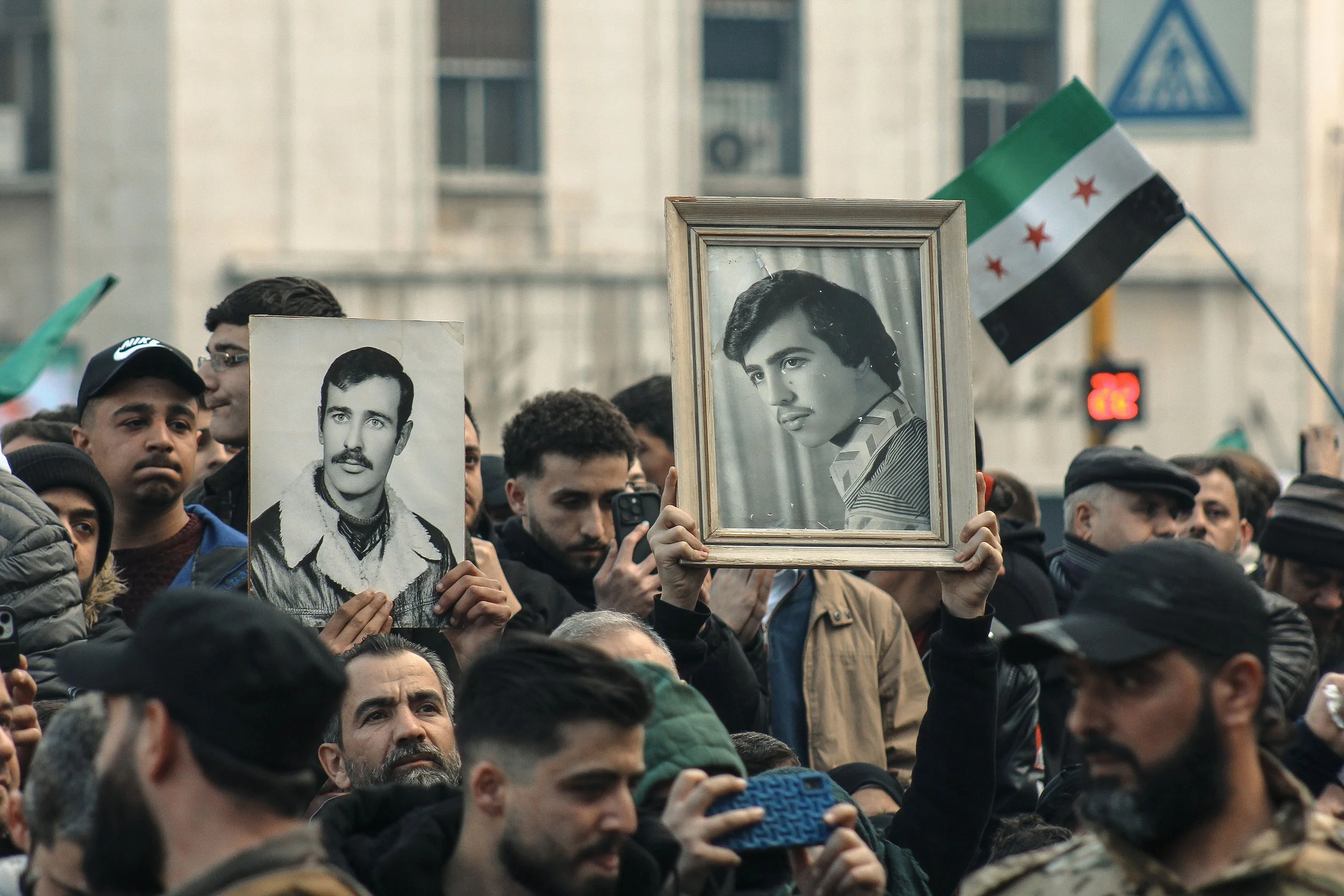
I did not return searching for a city, but trying to pull myself out from under the rubble. There was no blood, but the air was heavier than any bullet, and old voices seeped from the shattered stones. I saw everything: doors still hanging, unopened for forty years, walls that had stayed silent far too long, and faces returning from absence, carrying the portraits of those who were never buried.
To the visitors,
This exhibition is not documentation; it is confrontation. Not an attempt to rebuild what once was, but a questioning of what was never allowed to be.
In every frame, a memory rises from the dirt, not just to recount, but to testify. The city is finally speaking. No, it is breathing. And every photograph is a long-delayed inhale.
To my family,
This exhibition is a peace offering to my father, who loved us to death. To my mother, brave enough to become a mother twice. To the martyrs of Hama, 1982, and its disappeared.
To Hama,
I still do not know for sure, was it I who returned to you, or you who returned to me? Indeed, you are still sitting on the horns of a bull.
To power, any power,
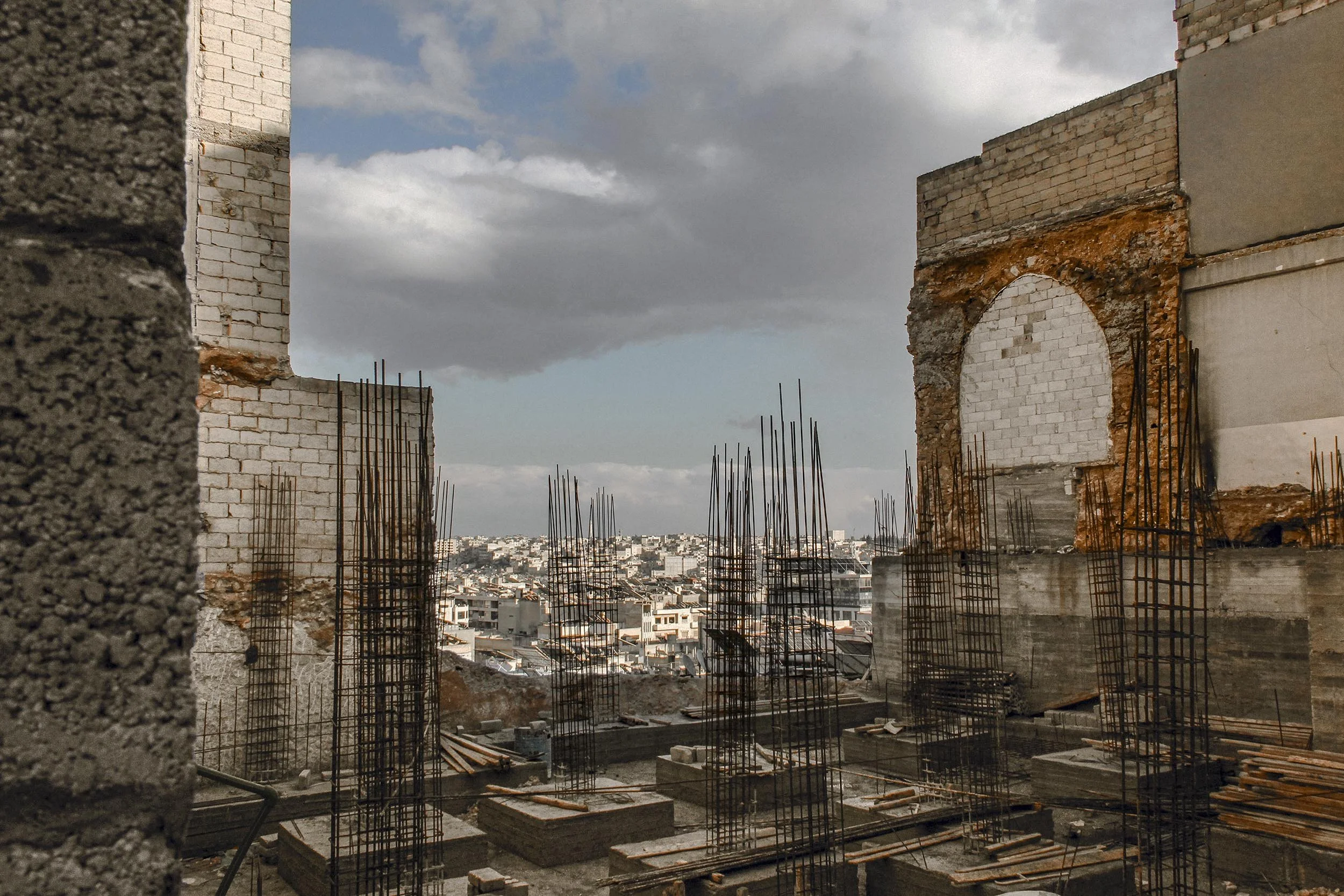
This exhibition is not just a visual journey; it is a delayed emergence from the ruins. Not mourning, but an exposure of what was carefully arranged to be forgotten. Every new building atop the old city is not reconstruction, but a second burial. And every banner bearing the flag of the crime is no coincidence, but a continuation of killing in a different color.
In this exhibition, I am not searching for truth alone, but for justice.
For acknowledgment.
For the conviction that whoever seeks to rule Syria must first unearth the bull from beneath the rubble, must restore the old city as it was, because it is still alive… under the soil.
حماة | تحت التراب، فوق الذاكرة.
كنت أحب كل المدن،
إلا مدينتي، حماة.
أذكرها كمدينة تُحبس فيها الأنفاس باستمرار،
كأن شيئًا معلقًا في الهواء، ينتظر الانفجار.
قالت لي جدتي مرة:
"هذه المدينة جالسة على قرني ثور."
وكنت أصدقها،
ربما لأني كنت دائم التفكير في الهرب.
كان علينا أن نعيش فوق العظام،
دون أن نشير إليها،
أن نمر بجانب البيوت المهدّمة وكأنها لم تكن،
أن نغلق النوافذ على الحكايات الممنوعة،
وأن نبتلع الخوف كما نبتلع الهواء.
كنت طفلًا حين دُفنت حيًّا تحت الركام.
نجوت، نعم،
لكن لم يُسمح لي أن أتذكّر.
كان يُفترض أن تبقى المجزرة منسية،
أن تُمحى المدينة من الذاكرة،
أن تُهمَل عمدًا،
حتى يُعاد رسم تاريخها بصوت المنتصر وحده.
لكن بعض المدن لا تُمحى،
وبعض الآلام تبقى عميقة،
متجذّرة تحت الأرض،
في الطوب المحروق،
في القناطر المنهارة،
في الزوايا التي يسكنها الصمت،
وفي الذكرى التي لا يُصدّقها إلا من نجا منها.
في حماة، كل زاوية شاهدة،
وكل ظلّ قد يكون قبرًا بلا اسم.
اليوم، في التاسع والعشرين من كانون الثاني 2025،
وبعد سقوط سلطة عائلة الأسد،
عدت.
وقفتُ أخيرًا أمام المدينة وجهًا لوجه. لم تكن عودتي زيارة، بل مواجهة. كنت أحاول أن أجسّد الذاكرة عبر ما تبقّى من حينا، ذاك الحيّ الذي لم يعد موجودًا. لم ألتقط صورة فورًا. تأخرت. مشيت طويلًا، كأنني أمهل نفسي لحظة قبل أن تنفجر كل الحكايات التي عشناها في الصمت.
تجولت في المدينة كمن يراها لأول مرة، وكنت في الحقيقة أمشي فوق الذاكرة، لا فوق الأرض. عشت المجزرة مرة أخرى، وللمرة الأخيرة. كل الحكايات المؤلمة التي كانت تُروى في السرّ، في البيوت الخائفة، خرجت دفعة واحدة. أربع وثلاثون سنة من الوحشية، من القذارة، من الصمت الثقيل... انفجرت كلها في لحظة.
لم أعد كمن يبحث عن مدينة، بل كمن يحاول أن يستخرج نفسه من تحت الركام. لم يكن هناك دم، لكن الهواء كان أثقل من أي رصاصة، وكانت الأصوات القديمة تخرج من بين الحجارة المحطّمة. رأيت كل شيء: الأبواب المعلّقة التي لم تُفتح منذ أربعين عامًا، الجدران التي صمتت أكثر مما ينبغي، والوجوه العائدة من الغياب، تحمل صور من لم يُدفنوا قط.
إلى الزوّار،
هذا المعرض ليس توثيقًا.
إنه مواجهة.
ليس محاولة لإعادة بناء ما كان،
بل مساءلة لما لم يُسمح له أن يكون.
في كل إطار، ذاكرة تخرج من تحت التراب.
لا لتروي فقط، بل لتشهد.
المدينة تتكلّم أخيرًا.
لا، بل تتنفس.
وكل صورة فيه... شهيقٌ مؤجل.
إلى عائلتي،
هذا المعرض
سلامٌ لأبي، الذي أحبّنا حتى الموت.
لأمي، الشجاعة، التي أصبحت أمي مرتين.
لشهداء حماة 1982، ولمفقوديها.
إلى حماة،
لا أعرف تمامًا
هل أنا الذي عدت إليك،
أم أنتِ التي عدت إليّ؟
بالفعل،
أنت جالسة على قرني ثور.
إلى السلطة، أي سلطة،
هذا المعرض ليس مجرد رحلة بصرية،
إنه خروجٌ متأخر من بين الأنقاض.
ليس رثاءً،
بل فضحٌ لما رُتّب بعناية ليُنسى.
كل بناء جديد فوق المدينة القديمة،
ليس إعمارًا،
بل دفنٌ مضاعف.
وكل لافتة ترفع علم الجريمة،
ليست صدفة،
بل امتداد للقتل بلون مختلف.
في هذا المعرض، لا أبحث عن الحقيقة فقط،
بل عن العدالة.
عن الاعتراف.
عن أن من يريد أن يحكم سوريا،
عليه أن يُخرج الثور من تحت الأنقاض.
أن يعيد المدينة القديمة كما هي.
لأنها لا تزال حيّة... تحت التراب.